
Brand storytelling is the story an organization uses to connect with its audience around shared values. And it works because humans are wired for stories. They engage memory, emotion, and empathy in ways that other content doesn’t.
Great fundraising isn't just about the ask. It's about the story behind it. Erin Cavender-Sharma, Deputy Director of Growth Marketing Services at CauseMic, breaks down how and why brand storytelling works, with examples from real nonprofits who brought their stories to life with vastly different budgets. In this session, you'll learn six steps for building a brand story that’s uniquely yours and how to adapt that story to deepen trust with major donors.
Meet the Speaker
-

Erin Cavender-Sharma
Deputy Director of Growth Marketing Services, CauseMic
Erin leads CauseMic’s Growth Marketing Services, and has made a career of building marketing strategies for Fortune 500 companies and nonprofits alike. Her approach blends data insights with impact storytelling to connect with supporters at every stage of the donor funnel.
Chapters
Transcript
How to Inspire Major Gifts With Great Storytelling
Webinar transcript, presented by Erin Cavender-Sharma, Deputy Director of Growth Marketing Services at CauseMic
This session covers what brand storytelling is and why it works, six steps for building a brand story for your organization, and how to adapt that story for major donors and across your key communication channels.
Part 1: What Is Brand Storytelling, and Why Does It Work?
Humans are hardwired for storytelling. Our earliest ancestors used stories to share information that helped their communities survive, and while the stories themselves have changed, our need to share information through narrative hasn't. Our brains actually respond differently to stories than to other kinds of stimuli: cortisol, dopamine, and oxytocin are all released when we're told a story. Cortisol supports memory formation, dopamine helps regulate emotional response and keeps us engaged, and oxytocin is one of the key chemicals behind empathy. Storytelling isn't just central to who we are as a species; the way it interacts with our brains makes us more receptive to cause marketing specifically.
Brand storytelling is the story or stories an organization uses to connect with its audience, whether customers or donors, usually built around values and concerns the organization shares with that audience. For-profit brands invest billions of dollars in brand storytelling every year, often without their audience consciously noticing it. Nike's advertising tends to revolve around hard work and overcoming adversity; Apple's highlights creativity and simplicity. These are values each brand has deliberately chosen because they resonate with its ideal customer, and nonprofits can approach brand storytelling the same way.
Example: Conservation International. A few years ago, Conservation International launched an awareness campaign partnering with celebrities to give voice to natural elements affected by human activity, including a well-known spot narrated in the voice of the ocean. The campaign uses dramatic visuals and dramatic language around the consequences of human action; both choices signal that the organization shares its ideal donors' concerns about environmental responsibility, sustainability, and climate change. It's easy to look at an organization with a massive marketing budget and assume great storytelling requires similar resources, but a large budget isn't a prerequisite for telling a great story.
Example: Dig Deep. Dig Deep, which provides access to clean, running water for underserved communities across the U.S., built a strong brand story using footage collected during its own fieldwork rather than a large production budget. Its storytelling centers on real people (staff, community members, partners) speaking directly about the impact of water access, with a warmer, more personal visual style and a joyful tone rather than a dramatic one. Its content speaks to values like equality, access, and dignity for underserved communities.
Though Conservation International and Dig Deep both tell strong brand stories, they look and feel completely different, because brand storytelling isn't one-size-fits-all. It's rooted in an organization's specific mission and how it talks about its work.
Part 2: Six Steps for Building a Brand Story
Step 1: Identify Your Value Proposition
A value proposition answers the question, "Why should someone donate to you right now rather than to someone else, or not at all?" A strong value proposition has four components:
- Appeal: how compelling is the problem you're solving
- Exclusivity: where else could someone turn to solve the same problem, and what makes your approach unique
- Credibility: how believable is your claim that you can solve the problem
- Clarity: how quickly and easily can someone understand how you'll solve it
A value proposition is not the same as a mission statement. Mission statements guide an organization's overall direction; value propositions are marketing tools meant to inspire donors to join that mission, and they're framed differently as a result. For example, the Juvenile Diabetes Research Foundation's mission is to improve lives by accelerating breakthroughs to cure, prevent, and treat type 1 diabetes. That's a solid mission statement, but it isn't especially appealing, exclusive, credible, or clear about how the organization plans to get there. Its value proposition does more work: positioning JDRF as the leading global organization harnessing research, advocacy, and community engagement to advance breakthroughs for type 1 diabetes. That framing is more appealing, and calling itself "the leading global organization" builds both exclusivity and credibility while naming concrete mechanisms (research, advocacy, engagement) for how it delivers.
Step 2: Identify What Your Ideal Donor Values
Even without formal interest data in your CRM, you can make informed assumptions based on your existing donor relationships. One useful tool is a donor persona, a hypothetical person representing the characteristics of a segment of your donor pool. Organizations can build multiple personas to reflect different segments, which is especially useful once you start adapting your brand story for specific audiences like major donors.
The value of a persona is that it lets you ask a simple test question: would this story resonate with this specific, named person? For example, a persona built for Conservation International's major donor base might be an older, married, retired tech professional living in the suburbs who values community, family, and the environment, and who's concerned about the impact of social media and climate change on his grandchildren. Not every trait in a persona needs to relate directly to your cause; the goal is to build a believable person, not just a donor profile.
Step 3: Map Where Donor Values Overlap With Your Mission
With a donor persona in hand, identify where that persona's values and concerns genuinely overlap with your organization's mission. Conservation International's mission spans many focus areas, but a persona like the one above would likely share strongest overlap around environmental responsibility and climate change specifically. Those overlapping areas are what the brand story should focus on, and every story told should still ladder up to the organization's broader value proposition.
Step 4: Determine Your Look, Tone, and Feel
Not every brand story can or should be told the same way.
Look is the visual style, typically defined in your brand style guidelines. Conservation International uses a grand, dramatic cinematographic style; Dig Deep uses a lighter, more personal visual approach with colorful, bubbly text.
Tone is the mood of the story. Serious subject matter can justify a serious tone, but a serious tone isn't right for every organization. Dig Deep could have leaned into a serious or even angry tone given the communities it serves, but chose joy instead, which became a differentiator from competitors covering similar issues. Tone should always be a deliberate choice, not simply a byproduct of however the creative comes together.
Feel is the emotional response the story aims to create in the viewer, ideally an emotion that moves them toward your desired action (for Conservation International, that action is donating).
All three should be chosen with your specific donor persona in mind.
Step 5: Build Your Communications
With your look, tone, and feel established, four guidelines apply across channels and audiences:
- Use high-quality assets that align with your look, tone, and feel and follow platform best practices. Low-quality images, video, or content shot for the wrong format can undercut your story's credibility.
- Personalize where it makes sense, especially for major donors, so the story resonates with the specific person viewing it.
- Make sure every communication ladders up to your value proposition. Every social post and email appeal should support who you say you are and reinforce your stated reasons to give.
- Get creative, and tell your story from multiple angles. Think of a brand story like a diamond: cutting it into different facets makes it shine without changing what it fundamentally is. Impact stories, statistics, reports, appeals, program wins, and other content formats can all highlight the same underlying values and concerns from different angles, which keeps your storytelling feeling fresh over time.
Step 6: Check Your Work
Before publishing, run a quick "smell check": Does this content support your value proposition? Would it resonate with your donor persona? Does it highlight shared values and concerns? Does the look, tone, and feel match the audience and subject matter? Is it approaching the story from a fresh angle, and is it genuinely interesting? If so, it's ready to go.
These six steps may feel like a lot of process, but every donor touchpoint, whether in person or through marketing, becomes part of your brand story to that donor whether you intend it to or not. Getting the story right from the start helps you stay consistent and avoid diluting it over time.
Part 3: Adapting Your Brand Story for Major Donors
Not every facet of your brand story should be used with every audience. As donors move down the funnel, communications should shift from awareness and education toward stronger engagement and cultivation, an emphasis that should peak with major donors.
A typical donor funnel:
- Prospects: haven't subscribed or donated; need general awareness and information
- Subscribers: opted into communications but haven't made a first gift; need continued education
- One-time and repeat mass-market donors: have demonstrated initial trust; engagement-focused content helps move them forward
- Monthly and mid-level donors: have opted into a deeper relationship (recurring gifts or above-threshold one-time gifts); benefit from richer cultivation formats like interest surveys, quizzes, or volunteer opportunities
- Major donors: both a fundraising source and a potential partner and advocate; communications should be personalized, usually delivered through a major gift officer, and should skew heavily toward cultivation
As a general rule of thumb, only about 10 to 20% of communications to major donors should include a direct appeal.
Major donors typically know your organization well and are already invested in your mission, but they have three specific relational needs:
Appreciation
- One-on-one relationships: the direct outreach (in person, by phone, or by email) that a major or development gift officer provides. It's worth taking the time to prepare gift officers to speak to your full brand story, since they're often siloed from broader marketing and may not otherwise know how to represent it consistently.
- Personalization: not just routing communications through a gift officer instead of the organization's general name, but tailoring content to a donor's known interests. A donor interested in polar ice caps who keeps receiving content about unrelated wildlife may feel unseen, and irrelevant communication can actively erode a relationship rather than strengthen it.
- Acknowledgment: going beyond thanking a donor for their money. Reframing impact in terms of what a donor helped achieve (for example, "you helped fund an additional year of research at XYZ location" rather than "thank you for helping us reach our $2 million goal") makes the donor's contribution feel meaningful both to the cause and to your organization specifically.
Credibility
Because major donors typically can't see their gift's impact firsthand, sharing results early and often matters even more. Results can take many forms: impact reports, program statistics, industry research, and impact stories or testimonials. These generally fall into two categories: analytical content that appeals to logic (the "head") and qualitative content that conveys human impact (the "heart"). Both are needed, particularly at the major donor level, since these donors need to be convinced you'll drive measurable impact and emotionally invested enough to complete the gift.
Advocacy
Dan Pallotta, founder of the Charity Defense Council, has said that people are yearning to be asked to use the full measure of their potential for something they care about, not just the least they can give. Major donors often want to be part of solving the problem they care about, not just fund a solution from a distance. Framing them as what we call "brand heroes" shapes storytelling in two ways:
- It supports making fewer, bolder appeal asks (consistent with the 10 to 20% guideline above), framed around what the donor's gift will specifically achieve.
- It invites major donors to contribute their full range of skills and resources, not just financial ones: sharing professional expertise, giving meaningful feedback, expanding your reach within their networks, or helping fundraise directly.
CauseMic uses annual content planners to keep brand storytelling consistent across channels and audiences for major clients. In a simplified example built around Conservation International, secondary focus areas (like forest conservation or ocean conservation) are mapped across always-on channels (website, organic social) and pulse channels (email, paid social) by time period, and further broken out by audience segment within pulse channels. This kind of planning makes cultivation-versus-appeal balance visible at a glance. For example, mass-market donors might see roughly three months of mixed appeal-and-cultivation messaging around a year-end campaign, mid-level donors about two months, and major donors only one, reflecting the "fewer, bolder" principle for that audience.
Part 4: Adapting Your Brand Story to Communication Channels
Five guiding principles apply across channels:
- Channels should work together. In a true omnichannel approach, a donor might see a related (not identical) message across email, organic social, and your website; the messages should build on each other rather than repeat verbatim.
- Channels should serve a defined purpose tied to your annual goals, not just fill space to maintain a presence.
- All communications should support your value proposition. Content that doesn't ultimately dilutes your brand story rather than reinforcing it.
- Plan communications by audience. Many organizations skip this step, but understanding what each audience segment receives helps prevent overlap, over- or under-messaging a specific group, and donors falling through the cracks.
- Test, and keep testing. Every mass communication is an opportunity to test something, from a button color in an email to the content focus of a paid media campaign.
Channel-specific nuances:
Email is inexpensive and easy to personalize, but also easy to ignore. Vary content types (impact stories, surveys, industry updates) so recipients have a reason to keep opening. Be mindful of sender identity, especially for major donors: communications should come from a real gift officer's name rather than the organization's general name whenever a relationship exists, even if the send itself is automated. Building two-way communication paths (surveys, quizzes) also pays off, since responses can often map to interest categories usable for future targeting.
Direct Mail
Sender identity matters here too. Most organizations target direct mail based on cost, focusing it on major and mid-level donors. Pieces that read as written and sent by a real person tend to outperform pieces that look overly designed or like standard marketing material. Testing different formats (personalized postcards, letters, or other tactile approaches with a human touch) and different senders is worthwhile, since no single format works for every organization. Direct mail is also one of the few channels where longer-form content can work well, since it typically reaches donors further down the funnel who are already invested and more willing to read at length.
Social Media
Attention spans on social platforms are extremely short: per Nielsen research from 2022, advertising attention spans range from about 1.3 to 1.7 seconds depending on age group, less than half the attention span of a goldfish. That means front-loading the strongest part of your story and using high-impact visuals to grab attention in the first couple of seconds is critical. That said, not every story fits into a six-second bumper ad or a 15-second placement. For more complex stories that need room to build a persuasive case, consider platforms built for longer content, such as YouTube or connected streaming partners, or host longer content on your own website and drive traffic to it through lower-cost organic channels like email.
Frequently Asked Questions
How do you work storytelling into fundraising appeals, rather than just cultivation content?
Appeals are part of your brand story too. What you ask for, and how you ask for it, communicates a lot about who you are as an organization. For example, an urgent appeal from Conservation International to protect a specific stretch of coral reef signals that the organization is close enough to the issue to know exactly what's at stake, and that it's taking proactive action rather than waiting. The same donor persona work and qualitative and quantitative donor data that inform cultivation content should also shape how appeals are framed.
How do you know if your brand storytelling is actually working?
There's no single definitive answer. Some feedback is qualitative, drawn directly from donors or public comments on organic social. Beyond that, the most reliable approach is tracking performance at the channel level: whether adjusting how you talk about your story changes email open rates, or whether emphasizing a specific mission focus improves click-through on paid social. Looking at these smaller, channel-level signals in aggregate can tell you directionally whether your storytelling is on track or needs to be adjusted.
Closing
Take a critical look at your current social media, direct mail, and email content, and identify where your brand storytelling is genuinely reaching your audience with the right message, and where it could be strengthened. No brand story is ever finished; refining it across every channel and audience is an ongoing process.
This transcript has been lightly edited using AI for clarity and readability, with filler language and live-webinar Q&A byplay removed.
-
 Watch the webinar about Anatomy of a Highly Effective Year-End Fundraising Plan
Anatomy of a Highly Effective Year-End Fundraising Plan
This practical, channel-by-channel playbook shows you how to learn from past performance, build an omnichannel strategy around your goals, and create content that cuts through the year-end noise.
-
 Watch the webinar about Lead Scoring: How to Identify Which Donors Warrant More of Your Limited Time
Lead Scoring: How to Identify Which Donors Warrant More of Your Limited Time
If your marketing team is generating leads faster than your major gift officers can follow up with them, you're in the right place. We'll show you how to score leads by interest and giving capacity, and how to automate the process with AI so your team ...
-
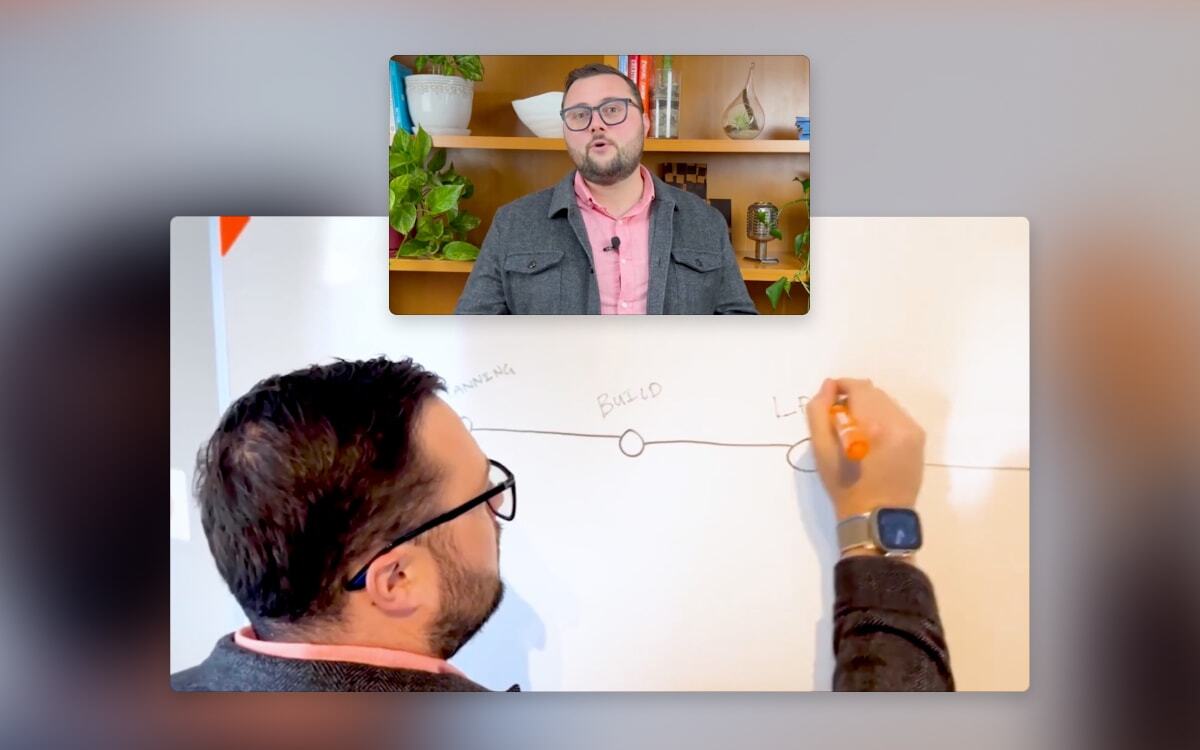 Watch now about How to Run a Retrospective
How to Run a Retrospective
A simple way to improve how your team runs campaigns? The retrospectives. Matt Scott, cofounder and CEO of CauseMic, walks through the six-step process that gives your team the tools they need to figure out what worked, what didn’t, and what to do ...
-
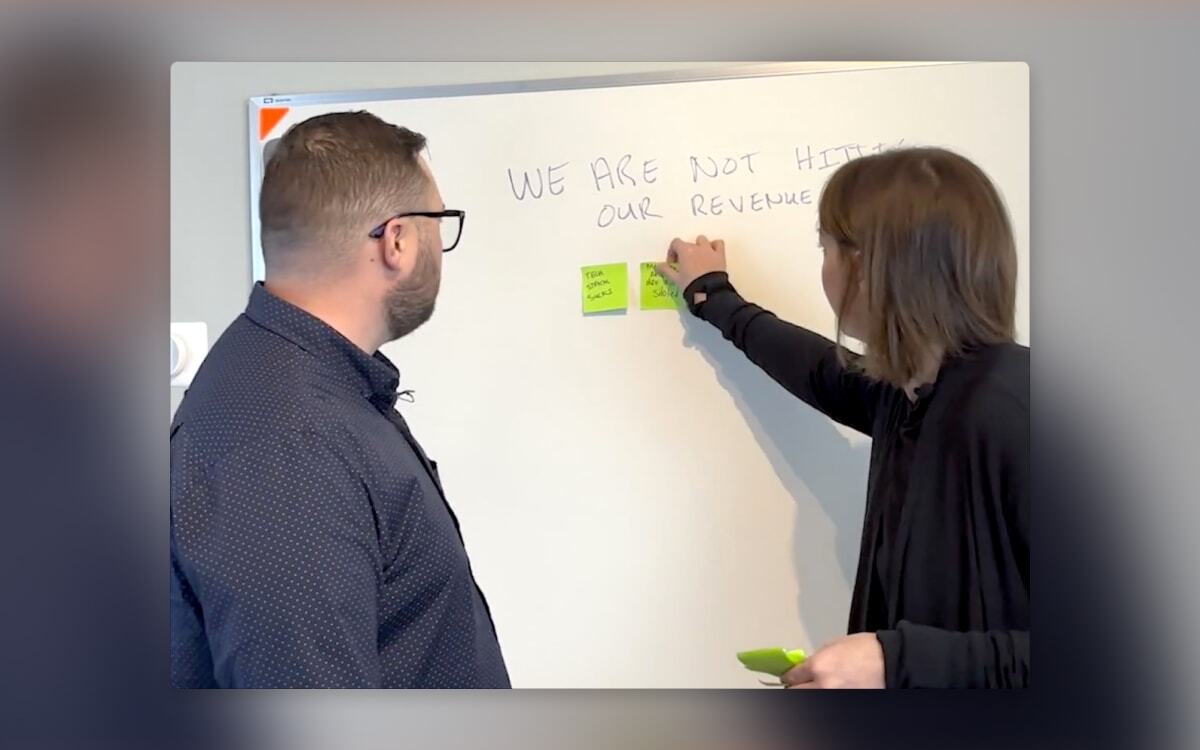 Watch now about How to Use CauseMic’s Problem-Solving Framework
How to Use CauseMic’s Problem-Solving Framework
Trade run-of-the-mill brainstorming meetings for a process that gets you more ideas, clearer decisions, and actionable next steps. Matt Scott and Bobbi Snethen walk through CauseMic’s framework for turning any team problem into a clear, prioritized ...
-
 Read the article about Phases of Growth and Crisis in the Life of Nonprofits
Phases of Growth and Crisis in the Life of Nonprofits
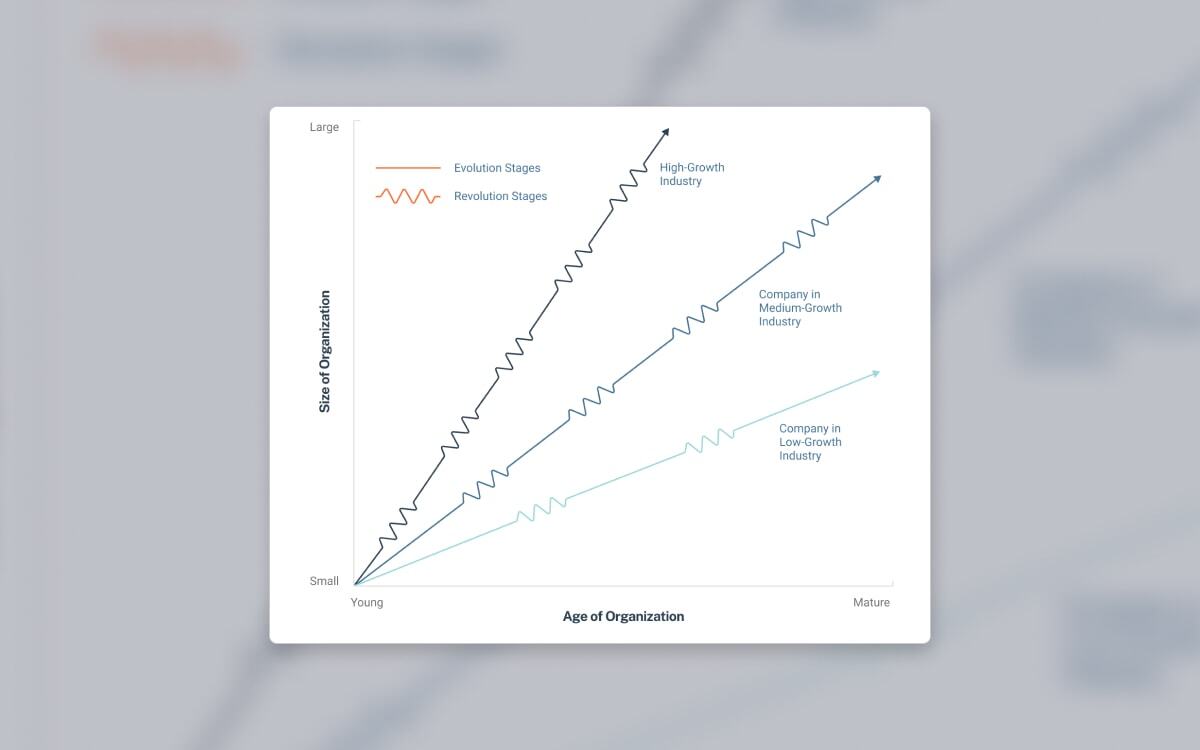
Every nonprofit experiences growing pains. Ironically, most of them are caused by the same decisions that made growth possible. This article breaks down the five phases of nonprofit growth, the crisis that ends each one, and how to figure out which phase ...
-
 Read more about Rapid Growth Plan Masterclass
Rapid Growth Plan Masterclass
Transform the dread of nonprofit strategic planning into game-changing impact with our Rapid Growth Plan Masterclass.