Staff time is a nonprofit's single largest expense, but it's often left out when evaluating whether a new opportunity is worth pursuing. Tracking time gives you real data to use when making staffing and project decisions, and it's a handy tool for spotting burnout before it happens.
What if you could cut your monthly close from 17 days to 4, freeing up over 600 hours a month, just by clearly defining who owns what? One accounting team did just that.
In this session, Matt Scott, CEO of CauseMic, shares the three-step system we use to run our lean team clients and workstreams: one, track where your team's time actually goes; two, define and protect the work that absolutely must happen; three, prioritize the new time that frees up. You'll walk away with a chance to answer a question most teams rarely get to ask: what would you do with a few extra hours this week?
Meet the Speaker
-

Matt Scott
Cofounder and CEO, CauseMic
Matt is a leader in nonprofit growth and a social entrepreneur. Prior to cofounding CauseMic, he led development operations at Team Rubicon, a disaster relief organization whose annual revenue scaled from $275K to $51M during his tenure. Matt is a sought-after speaker, sharing his approach to leadership and social impact at conferences like Dreamforce and the Nonprofit Technology Conference. His commitment to using business for good has been recognized with the Civil Service Award, the Arete Service Award, and the Riordan Service Award.
Chapters
Transcript
Three Steps You Can Take to End the Cycle of More to Do Than Time to Do It
Webinar transcript, presented by Matt Scott, CEO and cofounder of CauseMic
This session covers how to run a nonprofit marketing team like an internal agency: why tracking your team's time is the essential first step, how to define and protect recurring "business as usual" work, and how to prioritize the new capacity that unlocks.
Run Your Marketing Team Like an Internal Agency
A nonprofit marketing team functions much like a hired agency partner: a service department serving multiple internal customers (HR when a job posting is needed, the programs team when they need materials, fundraising when they need a full campaign) and multiple external audiences (donors, volunteers, beneficiaries, prospective employees) all at once. CauseMic applies this same internal-agency mindset to its own consultancy work; in one recent month, a team of just 16 people served 24 clients across 73 distinct workstreams, each with its own priorities and deadlines that don't factor in what any other client needs. The same practices apply just as well inside a single nonprofit's marketing team, and to fundraising teams specifically; they're the same practices used while leading fundraising at Team Rubicon.
A live poll during the session found that roughly 80% of attendees weren't currently tracking where their team's time goes, about 73% hadn't identified their recurring tasks or single points of failure, and roughly 86% didn't know how their team would use eight extra hours of capacity in a given week. The rest of the session addresses each of those gaps directly.
Step 1: Track Your Team's Time
It's common for this suggestion to make people nervous, out of a fear that tracking will feel like surveillance rather than support. In practice, once a team understands why it matters, that resistance tends to fade, largely because of three concrete benefits.
- Staff cost. Across aggregated nonprofit tax filings, staff time (salaries, payroll taxes, benefits) consistently represents an organization's single largest expense, yet it's frequently left out when evaluating whether a new opportunity or project is actually worth pursuing.
- Better, faster decisions. Reliable time data lets a team scope new opportunities against real numbers rather than gut instinct, communicate realistic timelines, and understand the true ROI of a given initiative, rather than reactively saying yes to everything that comes in.
- Protection against burnout. Time data makes it possible to spot exactly where a team needs additional short-term support, for example, bringing in extra copywriting help specifically during a high-output period like a year-end appeal, rather than discovering the strain only after it's already caused a problem.
A few examples of hidden staff cost:
- A special event's budget often accounts carefully for hard costs (venue, catering, entertainment) but overlooks staff time. Four staff members earning $70,000 a year, working on an event for three months, represent roughly $84,000 in fully burdened compensation cost once benefits and payroll taxes are factored in, a cost that rarely appears in the event's stated ROI.
- A corporate partner event, like a beach cleanup, involves hard costs (advertising, photography, food) alongside weeks of staff time across volunteer coordination, marketing, and donor follow-up, all of which should inform what's an appropriate ask of that corporate partner.
- A time-bound direct mail or monthly giving campaign involves a project manager, content strategist, data analyst, copywriter, designer, and web developer, often for about four weeks of dedicated effort. Tracking that time makes it possible to actually evaluate whether a given channel or tactic (like producing a video versus a simpler asset) delivered a return that justified its cost.
How to track it: Dedicated time tracking software (Harvest, Toggl, or QuickBooks Time if you're already running payroll through QuickBooks) works better than an ad hoc system. Structure tracking around actual projects and milestones, not just raw hours logged, so the data can be meaningfully analyzed later.
Utilization ratio. Borrowed directly from consulting and agency practice, a utilization ratio divides a team's billable time (copywriting, donor calls, designing paid media assets, merging CRM records, and similar direct-output work) by total available time. Non-billable time includes things like PTO, professional development, conferences, and general meetings. CauseMic recommends setting a billable target by role: roughly 70 to 80% for individual contributors doing direct work, 55 to 65% for people managers (who inherently spend more time on oversight and coordination), and 40 to 50% for executives, who still contribute direct work but also carry board and cross-department responsibilities that aren't directly revenue- or impact-generating. Track goal versus actual on a regular cadence (CauseMic reviews this every two weeks internally; monthly is a reasonable minimum), and use that same data to forecast capacity before committing to new requests.
Step 2: Assign Recurring Work and Eliminate Single Points of Failure
Every team has a set of recurring tasks that simply have to happen regardless of any specific campaign: merging duplicate contact records, sending donor acknowledgment letters, conducting prospect research, sending cultivation emails. CauseMic refers to these as "business as usual," or BAUs.
A real example of the impact of clearly defining BAUs: an accounting department at one client organization was taking 17 days each month to close the books, not due to any lack of skill, but because the team was constantly interrupted by ad hoc special project requests from other departments with no clear way to signal that a request could wait. After mapping out every BAU task and clarifying ownership, the same team reduced book close from 17 days down to just 4 within three months, freeing up roughly 624 hours of capacity a month across a six-person team.
Deep work days are one of the most effective tools for protecting this kind of focused time. Limiting meetings to only one or two specific days a week (Mondays and Thursdays, for example) and reserving the remaining days for uninterrupted work, tackling BAUs first until they're at an acceptable level, then moving into special projects, dramatically increases how much a lean team can actually ship.
How to define your BAUs: Gather the team around a whiteboard and have everyone write down every recurring task they handle. For each one, identify a primary owner and a secondary, backup owner (someone who steps in when the primary is at capacity, on vacation, or leaves the role). A task with only one name next to it is a single point of failure, an important thing to catch and address, often through cross-training. This exercise also produces genuinely useful data for future hiring and job descriptions, since it reveals exactly what skill sets (database-driven, relationship-driven, content-driven) a role actually needs rather than defaulting to a vague catch-all description.
Set a realistic, acceptable target for each BAU. Not every task needs to happen the instant it arrives; for example, it might be entirely acceptable for checks to be cashed and logged within three days rather than same-day. Defining that acceptable tolerance for each task is what allows a team to balance getting BAU work done with making real progress on the special projects that actually move the organization forward.
Step 3: Prioritize Your Team's New Capacity
Once time tracking and clearly defined BAUs free up real capacity, the natural next question is what to do with it. This is where a project backlog (the same tool covered in more depth in CauseMic's strategic planning webinar) becomes essential.
The process starts with a clear strategic objective, for example, building a robust monthly giving program by treating monthly donors like investors. From there, the team lists out every specific initiative that supports that goal (quarterly donor "investor calls," a metrics report, early access to seasonal merchandise) and, because time is already being tracked, can realistically estimate the effort each one requires against its likely impact on the strategic objective. That produces a natural priority order: high-impact, low-effort projects get tackled first, followed by projects that require more effort but still deliver strong impact.
As soon as a team member's BAUs are at their acceptable target, they move directly into the backlog rather than wondering how to spend newly available time. The backlog should be treated as a living document, reviewed and reprioritized regularly (quarterly at minimum) rather than something set once and forgotten.
Together, these three steps replace unstructured, circular meetings with real, data-informed conversations: where capacity currently stands, how long past projects actually took, and what those projects actually returned, which ultimately lets a lean marketing team behave much more like a well-run internal agency.
Frequently Asked Questions
What kind of resistance should you expect when asking a team to start tracking their hours, and how do you get ahead of it?
The resistance usually comes from fear: fear of being judged for how time is spent, fear that logging hours is itself a waste of time, fear that the data won't lead anywhere meaningful. The best way to get ahead of it is to be transparent about the actual purpose from the start: this data is what allows leadership to say no to poorly scoped opportunities, and to identify exactly where the team needs more support, whether that's a new hire, a subcontractor, or short-term agency help. Naming those concerns directly and explaining the real "why" tends to reduce resistance significantly.
What are your tips for tracking time and identifying failure points when a department or team is new and roles are still being figured out?
Start simple. Ask each person to spend just 10 minutes at the end of each day writing down what they worked on, without worrying about precision. At the end of the week, have them group those notes into broader categories, and repeat that process through the end of the month. By then, you'll have a genuinely useful picture of the team's actual recurring work, which is the foundation for identifying true BAUs and assigning clear ownership.
How do you make space for genuine joy and connection, rather than making everyone feel constantly on the clock?
This comes down to team culture surrounding the tracking, not the tracking itself. Being transparent with the team about why utilization is tracked, and what it enables (like being able to tell a client a project needs to start a month later rather than overcommitting the team) helps time tracking feel like a shared tool rather than surveillance. Making space for connection alongside the data (celebrating milestones, small team gestures, acknowledging people as individuals) matters too. For many people, real workplace joy also comes specifically from spending more time on genuinely high-impact work, which is exactly what these systems are designed to protect.
How do you implement deep work days if your team already has standing meetings spread across every day of the week?
Start over rather than trying to carve deep work time out of an existing calendar. Eliminate every standing meeting, then rebuild only the ones that demonstrably serve a clear purpose, evaluating that purpose again on a regular basis (monthly is reasonable) rather than assuming a meeting should continue simply because it always has. Start with just one fully protected day if a full overhaul feels too ambitious; more protected, uninterrupted days generally produce proportionally more output. Expect this new rhythm to take about 90 days to fully take hold, faster with clear buy-in from leadership and with the team holding each other accountable (for example, signaling on internal chat tools when they're in deep work and shouldn't be interrupted).
How often should a project backlog actually be revisited?
Treat it as a living document that any team member returns to the moment their BAUs are at an acceptable level, rather than something reviewed on a fixed schedule alone. At minimum, revisit the backlog as a team every quarter, in step with revisiting the broader strategic plan it supports, rather than letting it sit untouched for a full year.
How does this apply if you're a solo, all-in-one executive director without a larger staff?
The same principles apply regardless of team size. Track your own time, define your own BAUs, and build your own project backlog just as you would for a larger team. If you rely on board members or volunteers, this structure becomes even more valuable, since clearly documented responsibilities and expectations help volunteers show up ready to contribute meaningfully, the same way a well-organized moving day works far better than asking friends to help with no plan in place.
How can this framework apply to hands-on, production-based nonprofit work, like producing meals, rather than office-based work?
The same core ideas translate directly: define the BAUs specific to that kind of work (in a kitchen setting, things like daily prep routines or portioning), assign clear roles and backup coverage, and document standard operating procedures so the team can move quickly and consistently, especially under time pressure. This mirrors how Team Rubicon operated during actual disaster response: clearly documented, role-specific procedures meant every team member, whether responsible for fundraising, volunteer coordination, or logistics, knew exactly what their job was the moment a disaster struck, without needing to figure it out in real time.
Closing
Running a lean nonprofit marketing team well isn't about finding more people; it's about knowing exactly where time currently goes, protecting the recurring work that has to happen no matter what, and using the capacity that frees up on the projects that will actually move the mission forward.
This transcript has been lightly edited using AI for clarity and readability, with filler language, live poll mechanics, and scheduling chatter removed.
-
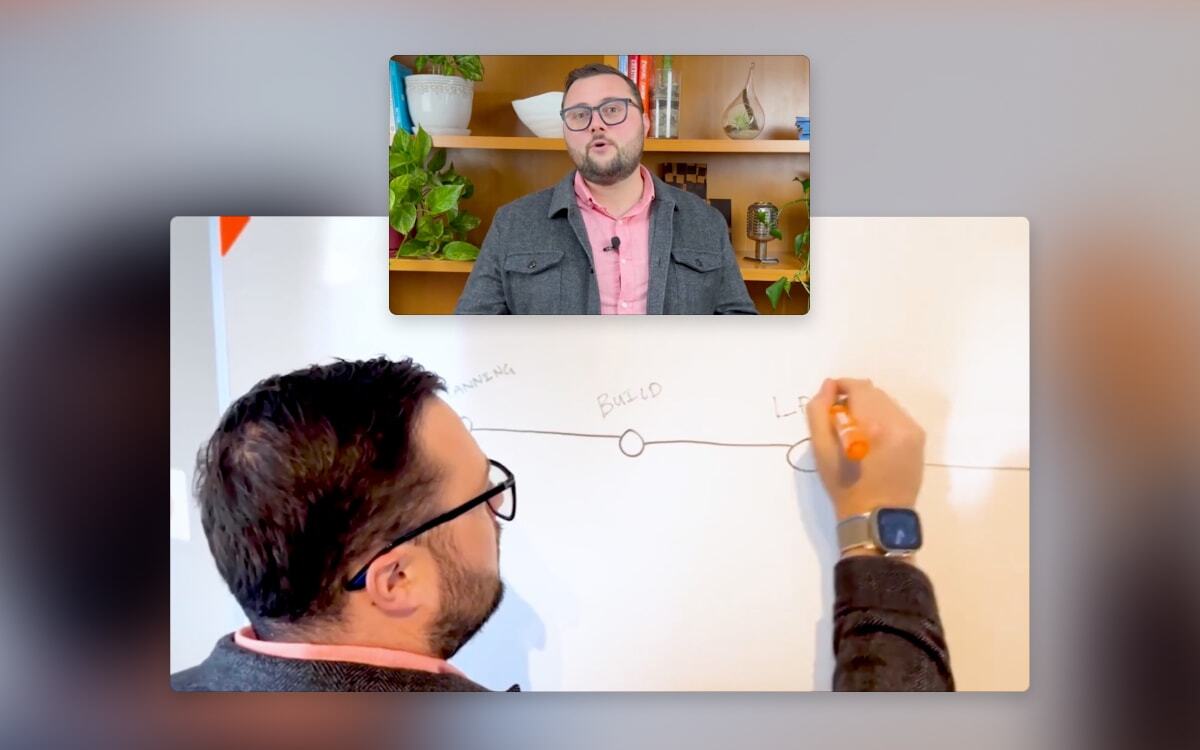 Watch now about How to Run a Retrospective
How to Run a Retrospective
A simple way to improve how your team runs campaigns? The retrospectives. Matt Scott, cofounder and CEO of CauseMic, walks through the six-step process that gives your team the tools they need to figure out what worked, what didn’t, and what to do ...
-
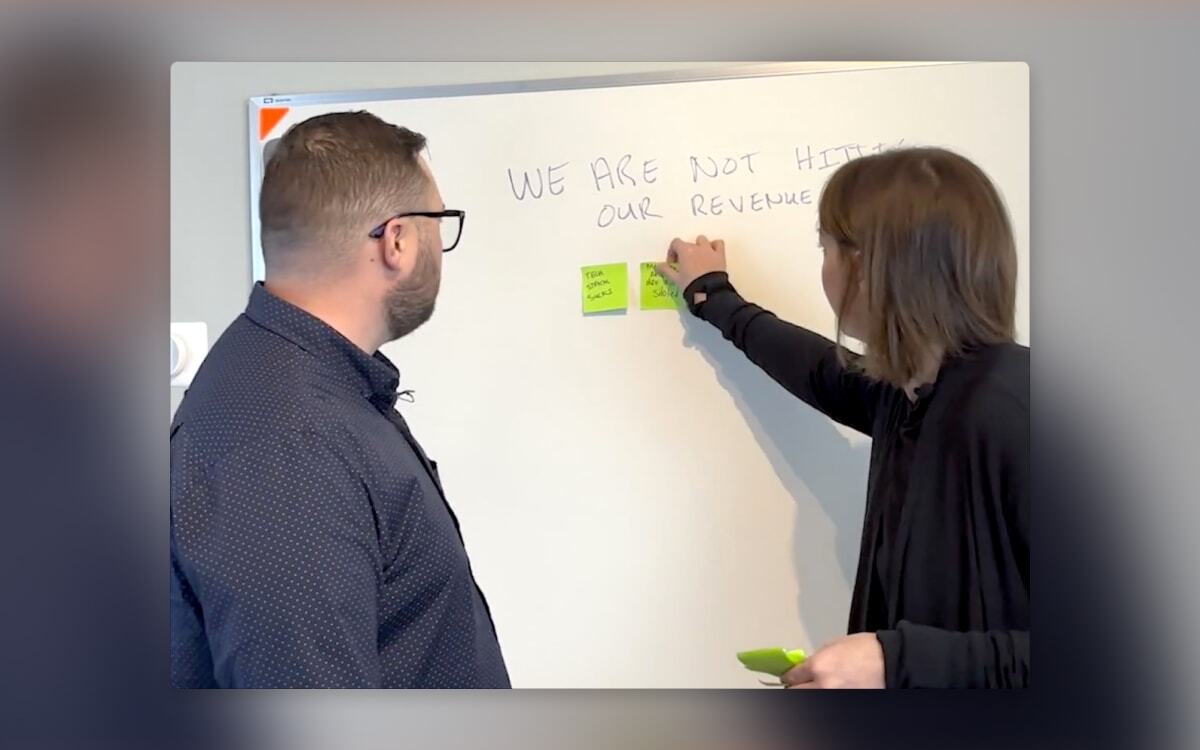 Watch now about How to Use CauseMic’s Problem-Solving Framework
How to Use CauseMic’s Problem-Solving Framework
Trade run-of-the-mill brainstorming meetings for a process that gets you more ideas, clearer decisions, and actionable next steps. Matt Scott and Bobbi Snethen walk through CauseMic’s framework for turning any team problem into a clear, prioritized ...
-
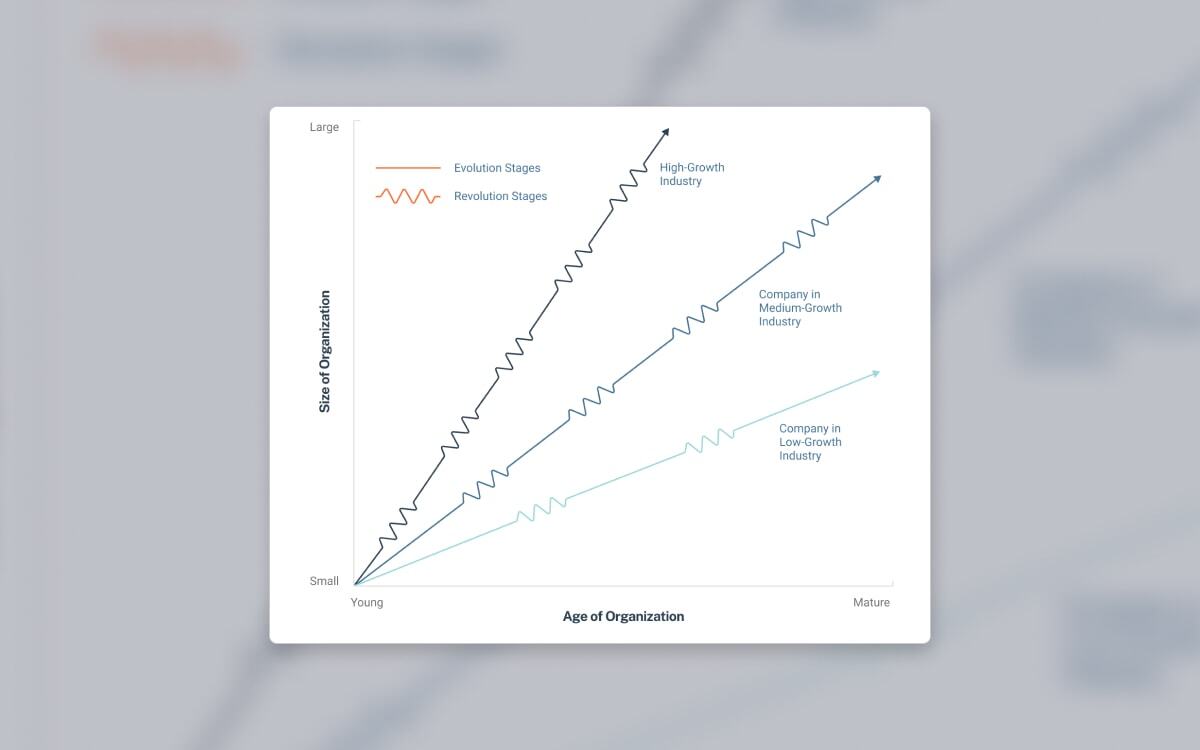 Read the article about Phases of Growth and Crisis in the Life of Nonprofits
Phases of Growth and Crisis in the Life of Nonprofits
Every nonprofit experiences growing pains. Ironically, most of them are caused by the same decisions that made growth possible. This article breaks down the five phases of nonprofit growth, the crisis that ends each one, and how to figure out which phase ...
-
 Watch the webinar about How to Budget for Nonprofit Growth
How to Budget for Nonprofit Growth
If your strategic plan and your budget live in two different universes, this is the session for you. Learn how to use strategy as a budget filter, when to revisit your numbers, and the skills nonprofit teams need to budget well.
-
 Watch the webinar about Boost Revenue and Efficiency: Harness the Power of Project Management
Boost Revenue and Efficiency: Harness the Power of Project Management
Most projects don't go sideways because people aren't trying hard enough. They go sideways because nobody is quite sure what's happening. This session breaks down what effective project management looks like, CauseMic's planning framework, and the ...
-
 Watch the webinar about How to Quickly Define an Actionable Nonprofit Strategic Plan for Real Growth
How to Quickly Define an Actionable Nonprofit Strategic Plan for Real Growth
One of our clients spent more than two years creating a strategic plan that no one actually followed. In this session, we'll show you how to build an actionable strategic plan in three weeks, using the same framework that helped grow Team Rubicon's ...