
Three big reasons: they’re rarely revisited, they rely on open-ended conversations that drag out decisions, and they’re usually so long and complex that no one fully reads or understands them. Remember: a plan built for documentation instead of action rarely changes how an organization actually operates.
Prior to coming to CauseMic, one nonprofit spent 25 months creating a 55-page strategic plan meant to guide 36 months of operations. No one in the organization ever read it.
In this session, Matt Scott, CEO of CauseMic and author of “The High Growth Nonprofit”, guides you through how traditional strategic planning is broken and how to fix it. He outlines our structured, four-workshop process that compresses up to six months of planning into three focused weeks. You’ll learn the three simple components that turn a strategy into something your team can actually use.
Meet the Speaker
-

Matt Scott
Cofounder and CEO, CauseMic
Matt is a leader in nonprofit growth and a social entrepreneur. Prior to cofounding CauseMic, he led development operations at Team Rubicon, a disaster relief organization whose annual revenue scaled from $275K to $51M during his tenure. Matt is a sought-after speaker, sharing his approach to leadership and social impact at conferences like Dreamforce and the Nonprofit Technology Conference. His commitment to using business for good has been recognized with the Civil Service Award, the Arete Service Award, and the Riordan Service Award.
Chapters
Transcript
How to Quickly Define an Actionable Nonprofit Strategic Plan for Real Growth
Webinar transcript, presented by Matt Scott, CEO of CauseMic and author of The High Growth Nonprofit: Proven Steps to Quickly Double Your Revenue and Drive Impact
This session covers what's broken about traditional nonprofit strategic planning, how to compress a typical three-to-six-month planning process into three focused weeks, and the three components every actionable strategic plan needs.
What's Broken About Nonprofit Strategic Planning
Traditional nonprofit strategic planning tends to break down in three consistent ways:
- It happens too infrequently. Many organizations run a strategic planning process only every three to five years. Research on fast-growing organizations more often points to a two-to-three-year cadence, and for most nonprofits, revisiting the plan annually favors action over documentation and supports faster growth, regardless of organization size.
- It relies on unstructured conversation. When a planning process leans on open-ended discussion to reach decisions, it tends to chase perfection rather than progress, and that's a major reason planning processes routinely stretch to three to six months.
- It favors documentation over action. The average strategic plan runs 30 to 50 pages. One CauseMic client, entering a new planning cycle, shared their existing strategic plan: 55 pages long, and it had taken more than 25 months to produce a document meant to guide a 36-month operating cycle. No one inside the organization had actually read it. Comprehensive documentation like this slows down real action, and a genuinely useful strategic growth plan doesn't require capturing every detail in writing.
How to Reduce a 3-to-6-Month Process to 3 Weeks
The case for compressing the timeline is straightforward: time spent searching for the perfect planning document is time not spent taking action toward strategic objectives.
The structure: four half-day workshops over three weeks.
- Day 1: Define the goal. What are you actually trying to achieve, whether that's a revenue target or a programmatic impact goal, and how do you plan to get there? Limit this to no more than three strategic objectives. For example, a revenue goal of growing 50% in the next year might be supported by strategic approaches like shifting toward corporate marketing dollars instead of corporate philanthropy, or adopting an audience-led approach that maps out who your constituents are, what motivates them, and when to engage them.
- Day 2: Define the audience. Who exactly are you going after (major donors, corporate partners, mass-market donors), and where are they located? Even large, well-resourced nonprofits have limited marketing budgets, so identifying where your team already has reach, existing programming, or strong stories to tell matters more than trying to be everywhere at once.
- Day 3: Define the action steps. Identify the specific steps required to achieve each strategic objective, then rank them by expected impact against cost, whether that cost is time or money. Every action should ladder up to one of the three strategic objectives defined on Day 1.
- Day 4: Define how you'll measure success. Identify your key performance indicators, including both leading indicators (signals you're on the right track) and trailing indicators (evidence of what's already been accomplished).
Why three weeks, not one? Spacing the four workshops out gives participants time to let ideas develop, validate assumptions, review data, and check in with their own teams between sessions. It's possible to compress this into a single week (CauseMic runs a rapid growth workshop that does exactly this), but doing so requires protecting that time fully: no other scheduled work, meetings, or even email during the workshop days, so participants have genuine space to think strategically between sessions.
Use structured exercises, not open-ended conversation. Meetings that rely on unstructured, open-ended discussion with a large group tend to produce more meetings rather than decisions. Structured exercises (time-bound, step-by-step processes that a facilitator guides the group through) make it far easier to prioritize and reach real consensus, because they force decisions within a defined window rather than letting conversation run indefinitely.
Assign a facilitator. A facilitator, who can be internal or external to the organization, prepares the agenda, designs each structured exercise in detail, and creates an environment where every participant feels able to contribute. Their role is to ask clarifying questions and connect different viewpoints, not to make decisions for the group, and they should generally not hold a position of authority within the organization, since that can unintentionally sway the direction of the strategy. A good facilitator also manages logistics, keeping the day running smoothly and participants engaged.
Identify "the decider." Even with an inclusive, structured process, someone still needs to make the final call when a decision point is reached, whether that's an executive director, COO, chief strategy officer, or board member. Structured exercises typically use rounds of voting so this person can see where the group actually lands, but ultimately, they listen to the discussion and cast the deciding vote on direction. Determining who that person is in advance is one of the key reasons this process can move so much faster than a traditional planning cycle.
Include diverse perspectives. Department heads should come prepared having surveyed their own teams on challenges, opportunities, and what is or isn't working. Representation from multiple levels of the organization, not just department heads, strengthens the process, and many organizations find real value in including board members directly, both for their perspective and because it helps turn them into champions for the resulting plan.
Come prepared. The space between workshop sessions exists specifically so leaders can think strategically and revisit earlier decisions with a clearer head, so protect that time rather than filling it with other work.
The Three Critical Components of an Actionable Strategic Plan
Matt draws on his own experience leading fundraising at Team Rubicon, a nonprofit that repurposes the skills of military veterans to respond to natural disasters. Over seven years there, annual revenue grew from roughly $275,000 to $51 million, expanding from a handful of volunteers to thousands and from responding to a couple of disasters a year to hundreds. (Note: verify these specific growth figures before publishing.) A consistent practice behind that growth was revisiting the plan of action every three to six months, favoring action over documentation while still being thoughtful about strategy, and adapting based on real data about what was and wasn't working. Team Rubicon still runs this practice today, gathering the organization through regular leadership conferences and quarterly check-ins so everyone understands their role in hitting growth goals.
- A one-page strategic plan. This document functions as a filter, simple and readable enough that people at every level of the organization can use it to make decisions. It should be short enough to print and reference constantly, in team meetings, all-staff updates, and leadership check-ins. Team Rubicon's plan, for example, once centered on focusing efforts in 20 specific cities, chosen because they represented the highest concentration of both military veterans and natural disasters in the country, letting the organization serve the majority of affected communities without needing to be everywhere at once.
- A project backlog. Borrowed from product development, a project backlog lists every project or task that supports a strategic objective, ranked by expected impact and by cost (time, money, or effort). This produces a simple priority system: P1 projects are must-do items to act on now; P2 projects require more planning and have a longer timeline; P3 projects are worth tackling only once P2 work is complete; and P4 projects, high effort with low expected impact, generally never get done, and that's fine. Working through this backlog regularly, rather than letting a strategic plan sit untouched for months at a time, is what actually turns strategy into growth.
- A KPI tracker. The purpose of a KPI tracker is simply to answer whether your growth strategy is actually working. It should include both leading indicators (early signals, like website traffic or new email subscribers, people who haven't given yet but are showing interest) and trailing indicators (results already achieved, like average gift size or conversion rate). As a rule of thumb, limit each strategic objective to about three KPIs; tracking dozens of metrics per objective makes it much harder to identify which ones actually measure whether the strategy is working.
Frequently Asked Questions
How often should a team meet to keep a strategic plan on track after it's created?
Different levels of the organization should meet at different frequencies. Organization-wide, plan for two larger gatherings a year (sometimes called a "hot start," ideally with at least one in-person session for remote teams), used to share the strategy, run retrospectives on what's working, and connect as a team. A mid-year, organization-wide check-in should focus on whether the plan is on track and whether anything significant needs to change. In between, individual teams should meet roughly every other week, reviewing progress against strategic objectives and spending the bulk of that time discussing real opportunities or obstacles, so that by the time the larger check-ins happen, most of the smaller course corrections have already taken place.
Should a strategic plan focus on revenue goals or programmatic goals?
Both. An organization-wide plan should include a mix of programmatic and revenue objectives, with department-level plans and project backlogs laddering up to support both.
What if you're going through this process largely alone, without a full team to work with?
It's always better to have someone to think through ideas with, whether that's board members, volunteers, beneficiaries, or donors. Without anyone to help vet ideas, you can still work through the process and define a growth strategy, but starting with even one or two people willing to volunteer their time and perspective makes a meaningful difference.
What do you do if your current strategic plan has too many priorities or feels too inflated?
Start with a retrospective: gather leadership and evaluate each existing priority or program against how much it's actually contributing to your goals versus how much effort or resources it requires. This kind of course correction is much easier within an annual planning cadence than within a three-to-five-year cycle, since a plan revisited every few years tends to feel like too large an investment to meaningfully deviate from once it's set.
Where can you find templates or examples of the structured exercises mentioned here?
CauseMic's blog includes a filterable strategy section with related resources, and CauseMic's YouTube channel includes step-by-step videos walking through specific structured exercises. Matt's book, The High Growth Nonprofit, also covers the project backlog and rapid growth plan concepts in more detail and is available as a free download.
Are structured exercises customized to a specific field of work or department?
At the organization-wide strategic level, the same structured exercises tend to work well across different types of nonprofits, since the goal (identifying direction, breaking it into components, gaining alignment) doesn't fundamentally change by sector. At the team or operational level, exercises are often tailored more specifically. One example: a "business as usual" exercise, where a team maps out every recurring task, identifies primary and backup owners for each (to catch single points of failure), and sets a reasonable tolerance for imperfection, can help a team find real efficiency gains, like shaving a full day off a month-end close process, freeing that time for higher-value work.
What are the risks of growing too quickly?
A few common ones: underestimating the resources and staff capacity actually required to sustain rapid growth, a decline in program quality or impact as an organization scales faster than its infrastructure can support, and unsustainable funding, since dollars that arrive quickly (grant funding especially) aren't always designed to sustain a program over the long term.
How well does this process support broader organizational culture change?
It depends heavily on what specific cultural change an organization is trying to make. Common cultural challenges at nonprofits (siloed teams, overworked staff, weak communication between leadership and frontline staff) aren't solved by the planning process alone. Running rapid growth workshops at both the department and organization-wide level helps build a genuinely inclusive process, but the real culture work happens in the regular check-ins that follow: consistently making sure people feel their work is meaningful, seen, and connected to a team they enjoy working with.
Closing
An actionable strategic plan doesn't need to be a comprehensive, rarely-read document. It needs to be simple enough to reference constantly, built through a structured process that reaches real decisions quickly, and revisited often enough that the organization can genuinely adapt as circumstances change.
This transcript has been lightly edited using AI for clarity and readability, with filler language, live poll mechanics, and scheduling logistics removed.
-
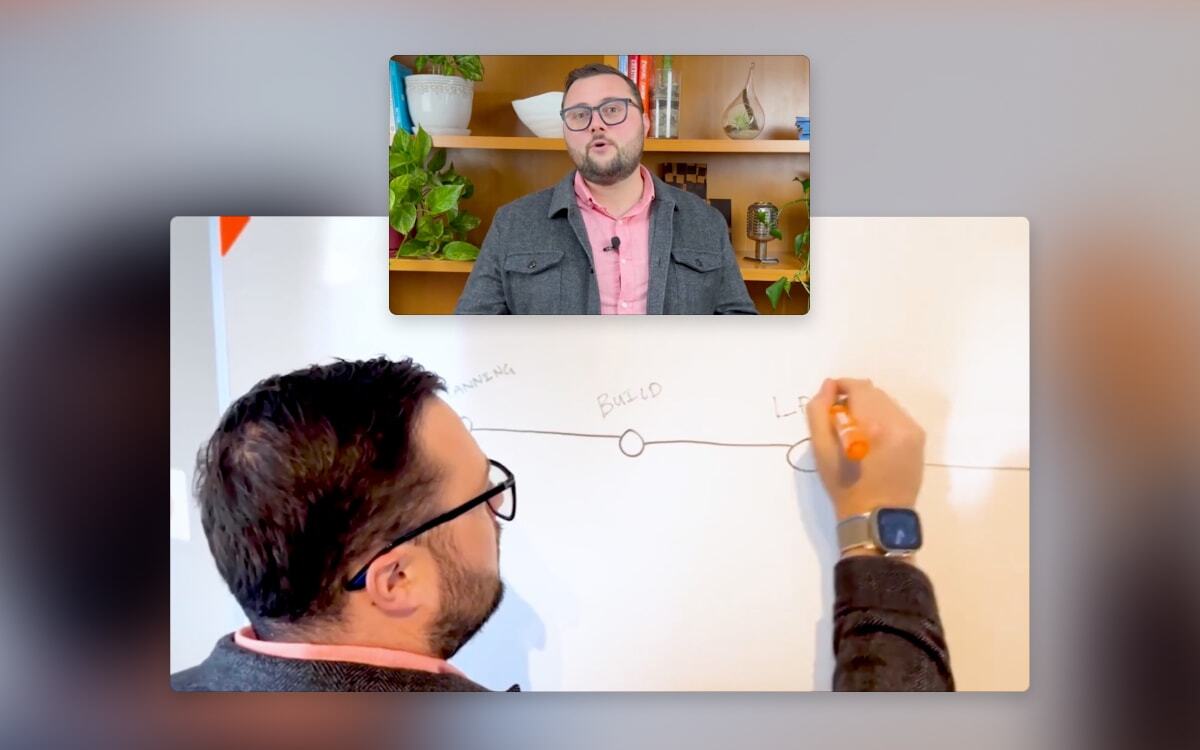 Watch now about How to Run a Retrospective
How to Run a Retrospective
A simple way to improve how your team runs campaigns? The retrospectives. Matt Scott, cofounder and CEO of CauseMic, walks through the six-step process that gives your team the tools they need to figure out what worked, what didn’t, and what to do ...
-
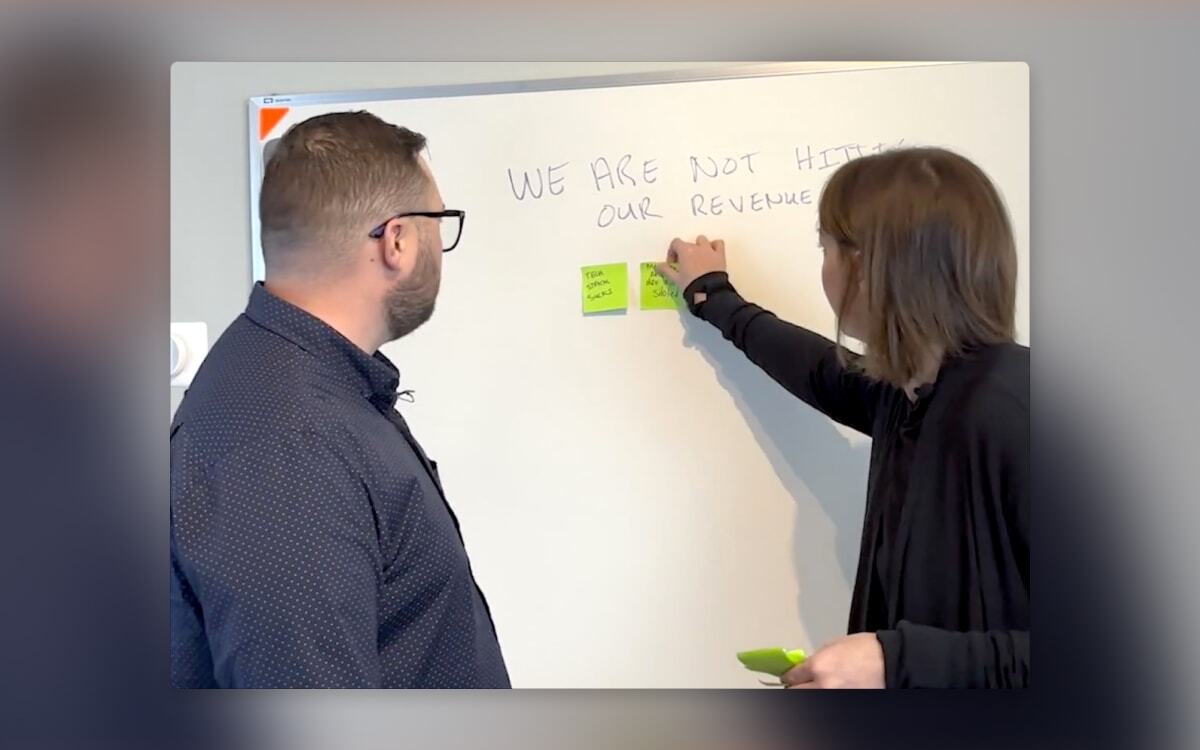 Watch now about How to Use CauseMic’s Problem-Solving Framework
How to Use CauseMic’s Problem-Solving Framework
Trade run-of-the-mill brainstorming meetings for a process that gets you more ideas, clearer decisions, and actionable next steps. Matt Scott and Bobbi Snethen walk through CauseMic’s framework for turning any team problem into a clear, prioritized ...
-
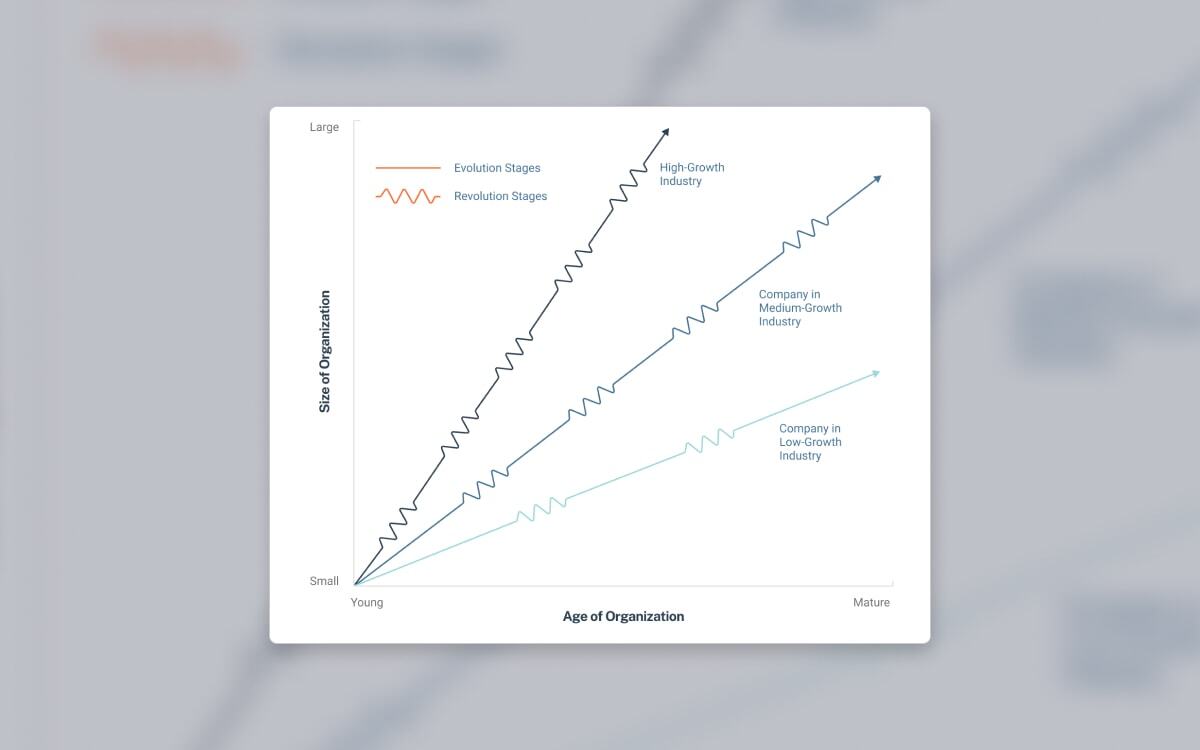 Read the article about Phases of Growth and Crisis in the Life of Nonprofits
Phases of Growth and Crisis in the Life of Nonprofits
Every nonprofit experiences growing pains. Ironically, most of them are caused by the same decisions that made growth possible. This article breaks down the five phases of nonprofit growth, the crisis that ends each one, and how to figure out which phase ...
-
 Watch the webinar about How to Secure a Capacity Grant to Pay for Your Nonprofit's Digital Transformation
How to Secure a Capacity Grant to Pay for Your Nonprofit's Digital Transformation
Most funders will gladly pay for your next program. The technology that lets you scale it? That's a tougher ask. This session breaks down what a capacity grant is, who's likely to fund one, and how to build a funder pitch that gets results.
-
 Watch the webinar about How to Use Corporate Partnerships to Grow Your Nonprofit's Brand Awareness
How to Use Corporate Partnerships to Grow Your Nonprofit's Brand Awareness
Corporate marketing budgets dwarf philanthropic giving, but most nonprofits never tap into them. In this session, you'll learn how to find the right corporate partner, pitch them, and launch a co-branded campaign to get your nonprofit in front of more ...
-
 Watch the webinar about How to Budget for Nonprofit Growth
How to Budget for Nonprofit Growth
If your strategic plan and your budget live in two different universes, this is the session for you. Learn how to use strategy as a budget filter, when to revisit your numbers, and the skills nonprofit teams need to budget well.