Alignment on goals and metrics, documented requirements, a living project schedule, and a tracked risk and dependency log. Miss one, and managing scope creep gets a whole lot harder.
Most projects-gone-wrong don’t fail from lack of effort. They fail from a lack of alignment. Alia Burley shares a personal story about watching a project spiral out of control because no one was tracking scope. From there, she walks through a four-part planning framework and simple communication habits that can keep the same thing from happening to you. You’ll learn how to build a project plan that holds up when things change, because on every project, something will.
Meet the Speaker
-

Alia Burley
Director of Integrated Project Management, dotdotdash
Alia brings over 20 years of project management and process development experience. Prior to CauseMic, Alia was Executive Delivery and Operations Director at a global design and innovations company, and has since been helping nonprofits create internal systems and processes to run more effectively. Alia is now Director of Integrated Project Management at dotdotdash.
Chapters
Transcript
Boost Revenue and Efficiency: Harness the Power of Project Management
Webinar transcript, presented by Alia Burley, Director of Integrated Project Management at dotdotdash.
This session covers what project management is (and isn't), a real example of what happens when a project loses alignment, and the specific tools and techniques CauseMic uses to keep projects on track, for its own team and for clients.
What Project Management Is, and What It Isn't
Asked to describe project management in a single sentence, a group of project management practitioners converged on a few consistent themes: beyond the obvious (bringing projects in on time and on budget), a common description is that it "creates order out of chaos." At its core, project management is about communication and collaboration, and it's also fundamentally about leadership: enabling people to do their best work and removing obstacles that stand in their way, since managing project teams inevitably means managing people, not just tasks.
According to the Project Management Institute, proven project management practices waste significantly less money than projects run without them. (Note: the exact figure cited in the original recording should be verified against PMI's published research before publication.)
What project management isn't:
- Starting without a clear plan and hoping events fall into place on their own
- Saying yes to every stakeholder request, which is one of the fastest ways to blow out scope and create conflict
- Trusting a strong team to figure things out without regular check-ins to confirm alignment
- Trying to control everything, which isn't realistic once people and external events are involved
A Cautionary Story: What Happens Without Alignment
Early in her career as a junior project manager, Alia managed the build of a campaign website supporting a TV spot for a well-known British brand. The project involved a design team focused on making the site as creative as possible and a separate tech team responsible for actually building it, all on a fixed timeline and budget. As the design team's ideas kept expanding mid-project, more functionality and features were added, and Alia, as the project manager, kept saying yes to nearly everything, believing that was her role. The result: the tech team became overwhelmed with a growing workload on the same team size and timeline, the two teams weren't communicating directly with each other (only through separate conversations Alia was facilitating individually), and the project began visibly going off the rails.
A senior mentor stepped in to help reset the project: reassembling the team, reviewing what processes were and weren't in place, and ultimately bringing it to a successful close. The team did have some structure already, including a project schedule, but lacked clear, direct communication and real alignment on what the product was actually meant to do. That gap, not a lack of individual effort or skill, is what put the project at risk.
Tools and Techniques to Keep Projects on Track
These are the same tools and techniques CauseMic uses to deliver its own work, and the ones it implements when managing projects directly within client organizations.
Start With a Clear Plan
A clear project plan rests on four components:
- Alignment on goals and metrics. Before anything else, the team needs a shared, explicit goal, whether that's raising a specific dollar amount by year-end or implementing a new donation platform that integrates with your CRM to reduce manual data entry.
- Project requirements. Requirements define exactly what needs to be done, which aligns stakeholders and the people executing the work around fact rather than opinion. When a new request comes in mid-project, clear requirements make it fast to see the actual impact: does something else need to be dropped, or can the new request be absorbed without disrupting the rest of the plan? Requirements are typically gathered collaboratively during the planning phase by asking every stakeholder what success actually looks like, then organized into a simple prioritized list (for a year-end campaign, for example: a defined number of emails to specific audience segments, a paid media component, and a bespoke landing page with clearly detailed functionality).
- A project schedule. The schedule is the team's map to the finish line: a detailed set of tasks showing what needs to happen, by whom, in what order, and by when. Treat it as a living document rather than a fixed one; in practice, a schedule can become outdated within days as circumstances shift. Its real value is as a baseline you can measure change against, so any new development's impact is immediately visible and the team stays moving in the same direction. CauseMic frequently uses Asana for this, since it's intuitive and visually easy to manage.
- Risks and dependencies. A risk is anything, positive or negative, that could affect the project, from a missed content deadline to bad weather threatening an outdoor fundraising event. Risks are brainstormed as a team by asking what could possibly go wrong, with agreed-upon mitigations logged simply: what the risk is, what to do about it, who owns it, its priority, and its current status. This is also the point to identify dependencies, resources needed from elsewhere, like deliverables from another team or information from a third party, logged with what's needed, why, who's responsible for securing it, and by when. Keeping risks and dependencies tracked and visible gives the team proactive control and prevents the constant firefighting that comes from being blindsided. Like the schedule, this is a living document; new risks tend to surface continuously throughout a project even as others are resolved.
Continuous Communication
The tools above run throughout the entire project lifecycle, and they're underpinned by ongoing communication. These aren't meetings or documents for their own sake; they're genuinely functional problem-solving tools, and they're intentionally simple.
- Daily check-ins. A short 10 to 15 minute morning touchpoint covering what was done yesterday, what's planned for today, and what blockers need to be cleared. These are especially valuable during high-pressure periods or on projects with many people and moving parts; the cadence can flex based on what a given project actually needs.
- Project notes. Capturing meeting notes in a single running document (CauseMic uses Google Docs, since it's cloud-based and easily shared) creates a reliable paper trail the team can refer back to and keeps everyone aligned asynchronously, which tends to work better than scattering notes across email threads or Slack messages where they get buried.
- Status reports. Useful for larger, more complex projects with many deliverables at different stages, a single status report can effectively manage both upward and across teams, giving stakeholders the information they need at a glance without requiring one for every project.
- Project retrospectives. After a project wraps, a group retrospective session led by an external facilitator (someone who wasn't embedded in the day-to-day work) gives every stakeholder room to reflect on what went well, what didn't, and what should carry forward into future projects. Keeping it simple and facilitator-led supports genuinely open communication rather than turning it into another status update.
The Foundation: Clear Communication
Clear communication is what supports teamwork and innovation, helps solve problems, and manages the inevitable chaos of a project, since with people and external events involved, chaos can be managed but never fully eliminated. It keeps a team on track and, critically, supports change: when a plan is built on solid baselines (clear requirements, a current schedule, a tracked risk log), a shift in circumstances stops being something to fear and becomes something manageable. That, in turn, frees the team from constant firefighting so they can focus on the strategic initiatives that actually move the organization's goals, and its revenue, forward.
Frequently Asked Questions
What soft skills does a project manager need most?
The ability to balance discipline and agility: keeping a project moving toward its end goal while still adapting as circumstances change. That requires clear communication paired with genuine empathy, patience, and compassion, since project management is fundamentally about understanding and working effectively with the people on your team, not just tracking tasks.
Any recommended project management courses or resources?
The Digital Project Manager is a particularly useful resource, since it translates more complex project management frameworks (the kind associated with large government or year-long construction projects) into practical, bite-sized guidance suited to the kind of work most teams actually do. It also maintains an active blog and runs webinars covering a wide range of project management tools, techniques, and emerging topics.
What tool works well for keeping project notes?
A simple, cloud-based, shared document works well; CauseMic uses Google Docs specifically because it's free and universally accessible, without needing a dedicated notes tool.
How do you keep a team motivated through a difficult project?
Open communication about risk is key. Talking through risks and challenges openly as a team helps everyone understand they're solving problems together rather than any one person carrying the weight alone. If the whole team seems unmotivated, bring everyone together to talk through why. If it's an individual, have a direct one-on-one conversation. "Project fear," the isolating feeling of being stuck on a task and not wanting to raise your hand about it, is real and worth actively watching for.
How do you effectively manage culturally diverse remote teams?
Start by genuinely getting to know your team as individuals, including how cultural background may shape communication preferences and needs. Project management is fundamentally a people business, and remote work makes that connection harder to build by default, so it takes intentional effort: informal check-ins, virtual social time, and especially genuine one-on-one conversation, which tends to build trust more effectively than any group activity.
How do you avoid making your team feel micromanaged?
Rely on the shared agreements you've already built as a team, your agreed cadence for check-ins, your chosen tools, your jointly created requirements and schedule, rather than checking in on individuals informally. When the team has agreed up front on how the project will run, regular check-ins reinforce the plan rather than reading as oversight of any one person, which supports a culture of trust rather than surveillance.
When should a nonprofit consider hiring a full-time project manager?
Two clear signals: when leadership finds most of their time consumed by day-to-day execution rather than strategic thinking, or when projects are consistently going off track, running late, or falling short because they aren't getting the dedicated attention they need.
Closing
Good project management isn't about eliminating chaos; it's about managing it through clear communication, shared alignment, and a small set of simple, consistently used tools. Getting the foundational pieces right (clear goals, documented requirements, a living schedule, and a tracked risk log) turns change from something to fear into something a team can absorb, freeing up the time and attention an organization needs to actually reach its strategic goals.
This transcript has been lightly edited using AI for clarity and readability, with filler language, live Q&A logistics, and scheduling chatter removed.
-
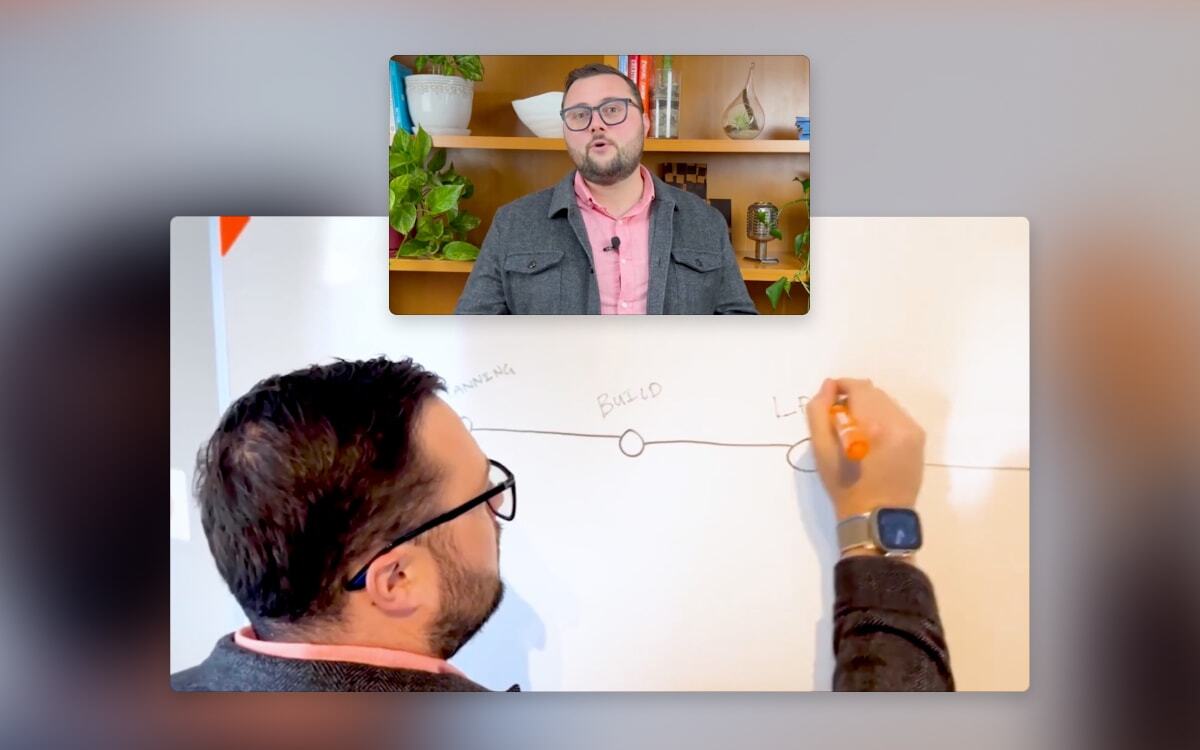 Watch now about How to Run a Retrospective
How to Run a Retrospective
A simple way to improve how your team runs campaigns? The retrospectives. Matt Scott, cofounder and CEO of CauseMic, walks through the six-step process that gives your team the tools they need to figure out what worked, what didn’t, and what to do ...
-
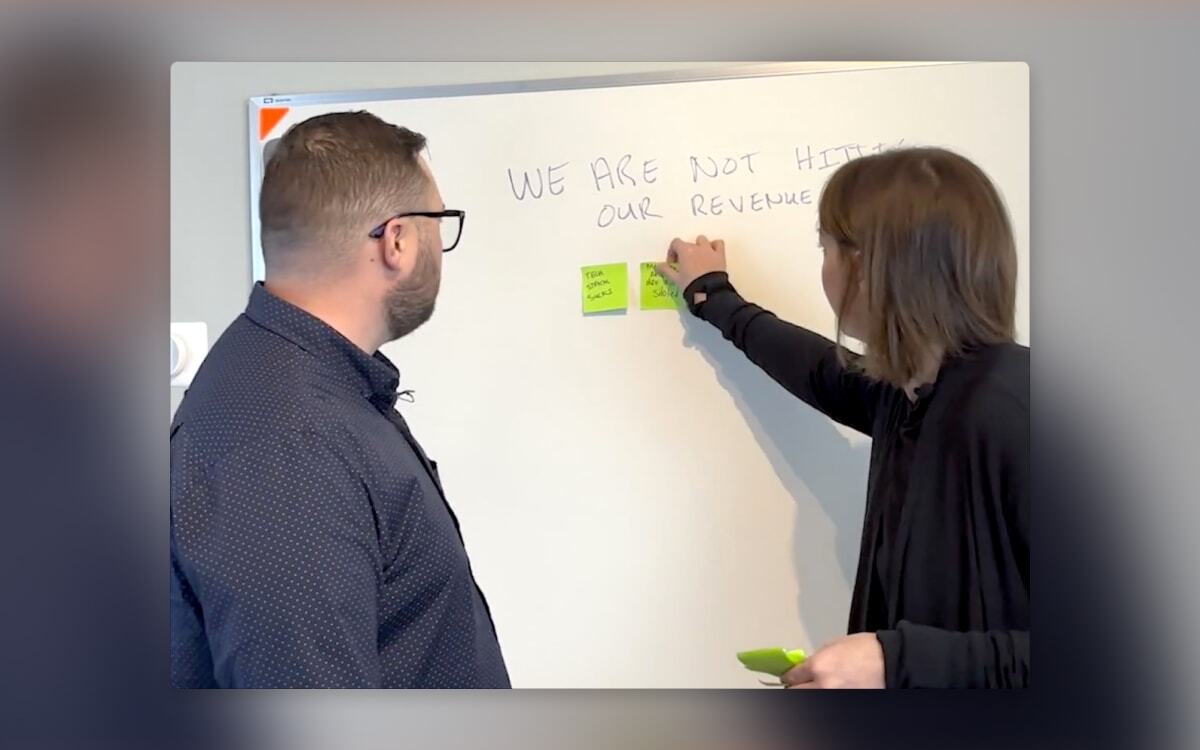 Watch now about How to Use CauseMic’s Problem-Solving Framework
How to Use CauseMic’s Problem-Solving Framework
Trade run-of-the-mill brainstorming meetings for a process that gets you more ideas, clearer decisions, and actionable next steps. Matt Scott and Bobbi Snethen walk through CauseMic’s framework for turning any team problem into a clear, prioritized ...
-
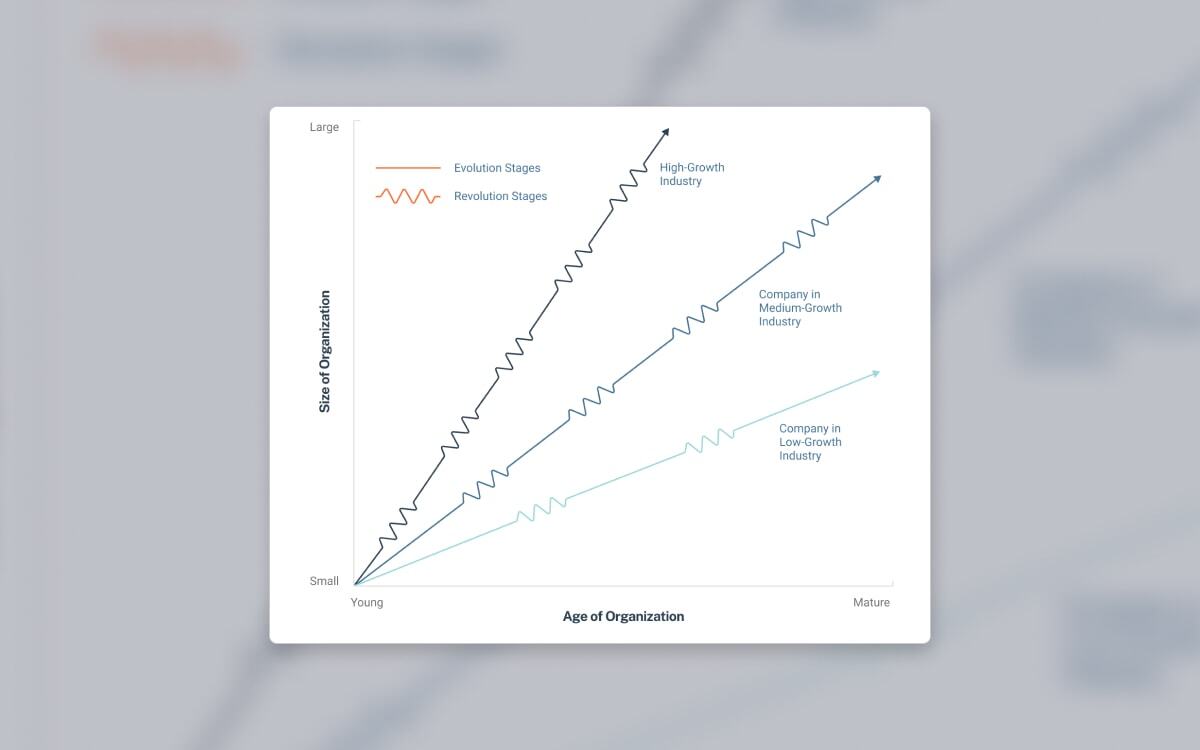 Read the article about Phases of Growth and Crisis in the Life of Nonprofits
Phases of Growth and Crisis in the Life of Nonprofits
Every nonprofit experiences growing pains. Ironically, most of them are caused by the same decisions that made growth possible. This article breaks down the five phases of nonprofit growth, the crisis that ends each one, and how to figure out which phase ...
-
 Watch the webinar about How to Budget for Nonprofit Growth
How to Budget for Nonprofit Growth
If your strategic plan and your budget live in two different universes, this is the session for you. Learn how to use strategy as a budget filter, when to revisit your numbers, and the skills nonprofit teams need to budget well.
-
 Watch the webinar about How to Quickly Define an Actionable Nonprofit Strategic Plan for Real Growth
How to Quickly Define an Actionable Nonprofit Strategic Plan for Real Growth
One of our clients spent more than two years creating a strategic plan that no one actually followed. In this session, we'll show you how to build an actionable strategic plan in three weeks, using the same framework that helped grow Team Rubicon's ...
-
 Watch the webinar about 3 Steps to End the Cycle of "More to Do Than Time to Do It"
3 Steps to End the Cycle of "More to Do Than Time to Do It"
One accounting team freed up over 600 hours a month, just by clearly defining who owns what. Six. Hundred. Hours. In this session, you'll learn how to run a lean nonprofit team like a well-managed internal agency. And free up a little time for yourself.