
Four things: appeal, clarity, exclusivity, and credibility. A generic line like "your gift makes a difference" fails the test because it could belong to any organization. A specific, credible claim about what a donor's gift achieves, and why your organization is uniquely positioned to deliver it, is much more compelling.
For-profit companies dedicate a massive amount of research and resources into boosting revenue, and nonprofits can learn from from how for-profits operate.
In this session, Matt Scott, cofounder and CEO of CauseMic, breaks down three proven for-profit practices for attracting, converting, and upgrading supporters. You’ll learn how to build a single platform for end-to-end donor engagement, starting with the components that make a donation page convert. You’ll see how a “flywheel” can replace the traditional, linear donor funnel with a feedback loop between teams. And you’ll learn how shared data can help marketing, fundraising, and programs stay on the same page.
Meet the Speaker
-

Matt Scott
Cofounder and CEO, CauseMic
Matt is a leader in nonprofit growth and a social entrepreneur. Prior to cofounding CauseMic, he led development operations at Team Rubicon, a disaster relief organization whose annual revenue scaled from $275K to $51M during his tenure. Matt is a sought-after speaker, sharing his approach to leadership and social impact at conferences like Dreamforce and the Nonprofit Technology Conference. His commitment to using business for good has been recognized with the Civil Service Award, the Arete Service Award, and the Riordan Service Award.
Chapters
Transcript
Three For-Profit Methods Nonprofits Can Use to Convert Leads and Upgrade Donors
Webinar transcript, presented by Matt Scott, Cofounder and CEO of CauseMic
This session covers three proven for-profit practices nonprofits can adopt to attract, convert, and upgrade supporters: building a single platform for end-to-end constituent engagement, activating a lead nurturing flywheel, and improving data literacy across marketing, fundraising, and programs.
The Problem: Disconnected Systems
Many nonprofits run into the same underlying issue in one of two forms: donor and constituent data is scattered across multiple, non-integrated systems (email marketing, CRM, donation platform, and website analytics all living separately), or those systems are technically connected but the organization's actual ways of working aren't built around that unified data. Either way, this tends to produce three consistent problems:
- Low conversion rates. Leads generated through marketing (organic social, industry conferences, programmatic ads, corporate partnerships) go uncultivated, which reduces conversion not just to donors but to volunteers, fundraisers, and advocates, and it affects the programs team just as much as fundraising, since fewer leads convert into beneficiaries or clients as well.
- High donor churn. Without the ability to steward donors through their preferred platform, message, and timing, fewer donors give a second or third time, which lowers the total lifetime value of every constituent.
- Poor reporting. When website, CRM, email, text, and paid advertising all live in separate systems, marketing and fundraising teams struggle to identify what's actually working, which wastes both time and budget on tactics that aren't moving the needle.
Method 1: A Single Platform for End-to-End Constituent Engagement
For most nonprofits, a single, integrated platform is the simplest and most effective approach. Larger, more sophisticated organizations can make multiple platforms work too, but only if those platforms are genuinely integrated with the CRM at the center.
Website
- A strong value proposition. This has four components: appeal (how badly does a donor want the outcome you're offering), clarity (how quickly can a prospective donor understand what you're asking for), exclusivity (can this specific impact only be achieved by giving to you), and credibility (how believable are your claims). A generic statement like "your gift makes a difference" fails all four, since it could apply to any organization. Access Fund's "your gift ensures access to America's best climbing routes" succeeds because it names a specific, exclusive, credible outcome a donor can clearly picture.
- Reduced friction. Friction is anything that slows down the giving process once a donor has already decided to give. This starts with a clear call to action (like "Donate" or "Join") and continues through an optimized donation form. Donors today are also online shoppers, and they expect the same one-click, frictionless experience they get everywhere else: AI-suggested giving levels tailored to the individual donor, promotion of monthly giving, multiple payment options (Apple Pay, Google Pay, cryptocurrency, credit card), as few required form fields as possible, and a genuinely fast checkout process.
- Tracked visitor behavior. Track website traffic, which pages visitors spend time on, and which pages actually convert visitors into donors or volunteers. Tracking alone isn't enough; that data should directly inform ongoing content and design decisions, ideally through regular collaboration between whoever owns the data and whoever owns the creative.
Marketing
- Build brand awareness and drive traffic to that optimized website. This can come through earned media (Access Fund's announcement of a new executive director, picked up by a national climbing publication, is one real example), paid advertising (programmatic or social), SEO and paid search, and corporate partnerships, an often-overlooked channel that works especially well when a partner's brand values genuinely align with your mission.
- Steward donors across every channel. With a unified system, engagement and behavior can be tracked consistently across email, text, direct mail, and phone. Deploying surveys is a particularly effective way to tailor storytelling to what a specific donor actually cares about. Surfrider Foundation, for example, works across four distinct programmatic pillars (reducing plastic pollution, improving beach access, protecting clean water, and addressing climate change); a donor who completes a survey after a beach cleanup and indicates that beach access matters most to them can then receive content specifically tied to that pillar, something only possible with an integrated system.
- Track engagement KPIs. Open rates, click rates, response rates, unsubscribe rates, and time spent on a given page are all marketing metrics worth tracking consistently, the same way leading for-profit brands do.
Fundraising
- Lead scoring and grading. A score measures a donor's interest in your organization (website visits, email opens and clicks, event attendance), while a grade measures your organization's interest in that donor (gift amount, net worth, employer). Combining the two produces a prioritized list your major gift team can use to focus their relationship-building time where it matters most.
- Automated engagement. A unified system can automatically trigger next steps based on donor behavior. For example, a website visit from a known prospect can automatically generate a prospect research task, or trigger a coordinated cluster of touchpoints (a personal email from a gift officer, a phone call task, a LinkedIn connection request, and a handwritten note) in close succession, which meaningfully increases the likelihood of a subsequent gift.
- Special offers made possible by a unified system. One example: inviting major and monthly donors to quarterly "investor calls," briefing them on upcoming initiatives and recent wins and losses. This was a practice used while building the fundraising and marketing program at Team Rubicon, and it works because it builds trust and makes the impact of a gift tangible, essentially applying for-profit investor relations practices directly to donor relationships.
Method 2: Activate a Lead Nurturing Flywheel
A flywheel is a self-sustaining marketing model that generates a steady stream of leads and prospects. Supporters commonly drop out of a typical donor journey when they hit friction somewhere along the way; removing that friction is what lets a flywheel spin freely, creating a genuine feedback loop across teams.
Flywheel versus funnel. A traditional donor funnel is linear: a prospect sees marketing content, visits the site, makes a gift, receives further content, and the cycle repeats. A flywheel is more holistic. Marketing's efforts affect how quickly a prospect moves through the donor journey, fundraising's efforts affect how likely that person is to become a long-term supporter, and the programs team's efforts affect whether that supporter ultimately becomes an advocate who actively recommends the organization to their own network. Because all three areas reinforce one another, a flywheel carries its own momentum and reads to the donor as genuine, coordinated engagement rather than a series of disconnected, linear touchpoints.
Building a long-term nurturing strategy. This starts with the same principles as SEO, like topic clustering around terms that genuinely connect to your mission (for Access Fund, terms like climbing, public lands, or national parks), but its real power comes from chaining individual donor journeys together automatically. For example, a donor who gives to Access Fund might then be invited into a journey asking them to sign a petition supporting continued public land access for climbing, and from there, into a separate journey that delivers ongoing updates from the legislative team working on that issue. Each of these journeys connects marketing to fundraising to programs, reinforcing the feedback loop that makes the flywheel work.
Method 3: Enhance Data Literacy Across Marketing, Fundraising, and Programs
Marketing, fundraising, and programs are traditionally siloed departments. Aligning all three around the same underlying data makes an organization meaningfully more efficient, and more efficient organizations generally generate more revenue and greater impact. Three components make this possible:
- A unified technology stack. HubSpot CRM is a strong example of a central hub that ties everything together: Marketing Hub for campaign data, Sales Hub for donation data, and CMS Hub for the website itself, all connected through one CRM to create a full lifecycle view of every constituent. Fundraise Up, an AI-powered giving form with direct HubSpot integration, is a strong complement for keeping donation data flowing into that same unified system.
- Clear, shared KPIs. Website traffic, conversion rate, and average gift amount are examples of metrics that matter across departments. When these live in one connected system, teams can make real decisions about what content and channels are actually moving the needle, rather than each team working from a different, partial picture.
- A well-trained development operations (DevOps) team. A team that genuinely masters the technology stack, keeps every part of it running smoothly, and establishes clear standards and processes is what ultimately makes it possible to train the rest of the organization on these new ways of working and sustain real data literacy across departments over time.
Closing
These three methods (a single, integrated engagement platform, a nurturing flywheel that replaces linear funnel thinking, and shared data literacy across departments) all apply proven for-profit practices directly to nonprofit fundraising and marketing. Used together, they're what let marketing, fundraising, and programs work as one coordinated system rather than three separate departments each working from incomplete information.
This transcript has been lightly edited using AI for clarity and readability, with filler language and scheduling chatter removed.
-
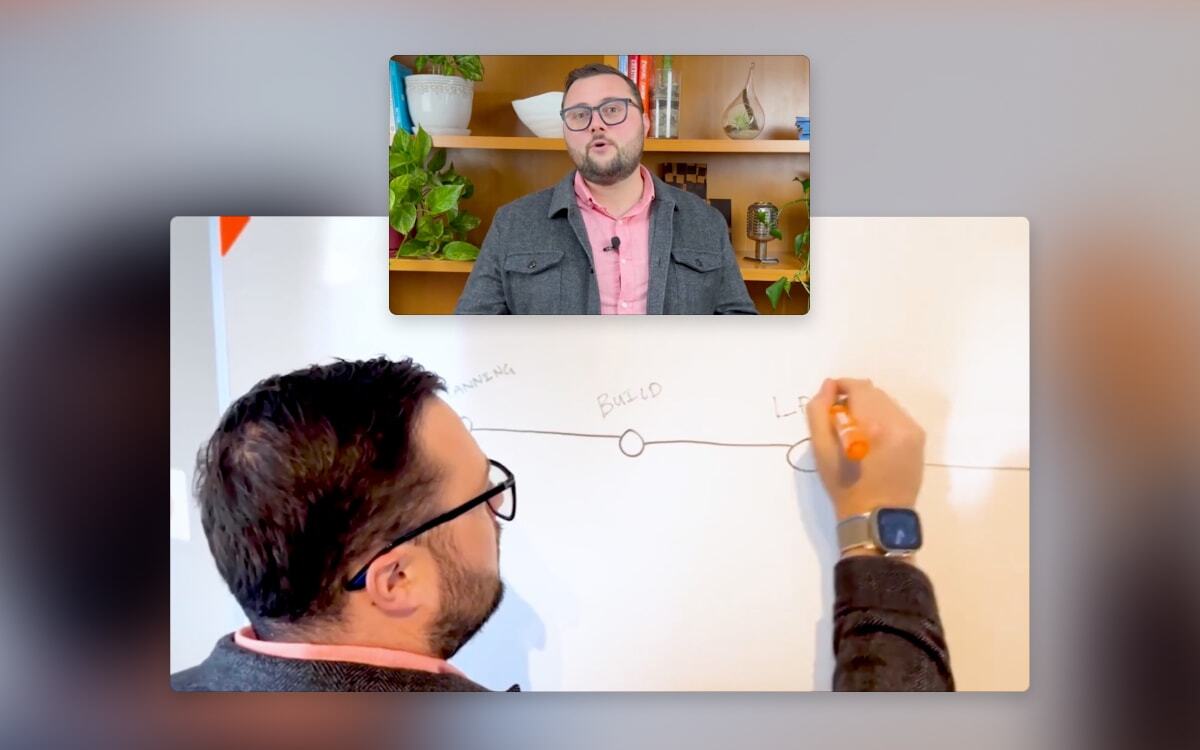 Watch now about How to Run a Retrospective
How to Run a Retrospective
A simple way to improve how your team runs campaigns? The retrospectives. Matt Scott, cofounder and CEO of CauseMic, walks through the six-step process that gives your team the tools they need to figure out what worked, what didn’t, and what to do ...
-
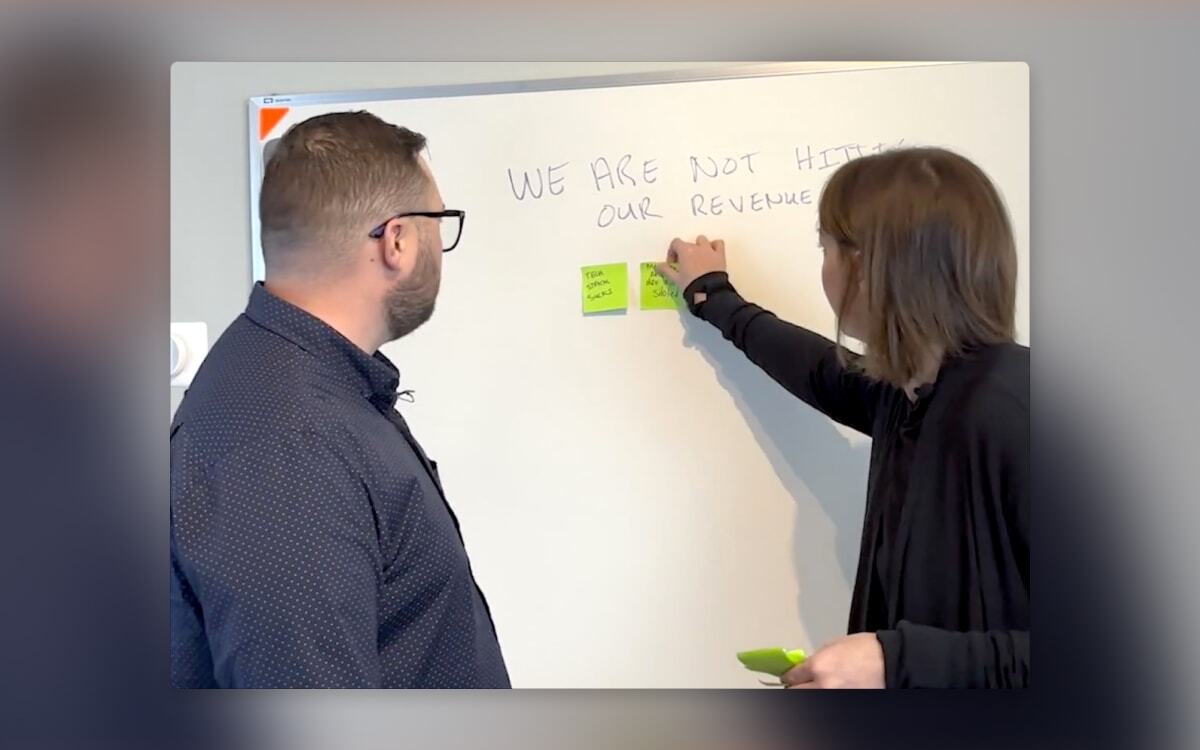 Watch now about How to Use CauseMic’s Problem-Solving Framework
How to Use CauseMic’s Problem-Solving Framework
Trade run-of-the-mill brainstorming meetings for a process that gets you more ideas, clearer decisions, and actionable next steps. Matt Scott and Bobbi Snethen walk through CauseMic’s framework for turning any team problem into a clear, prioritized ...
-
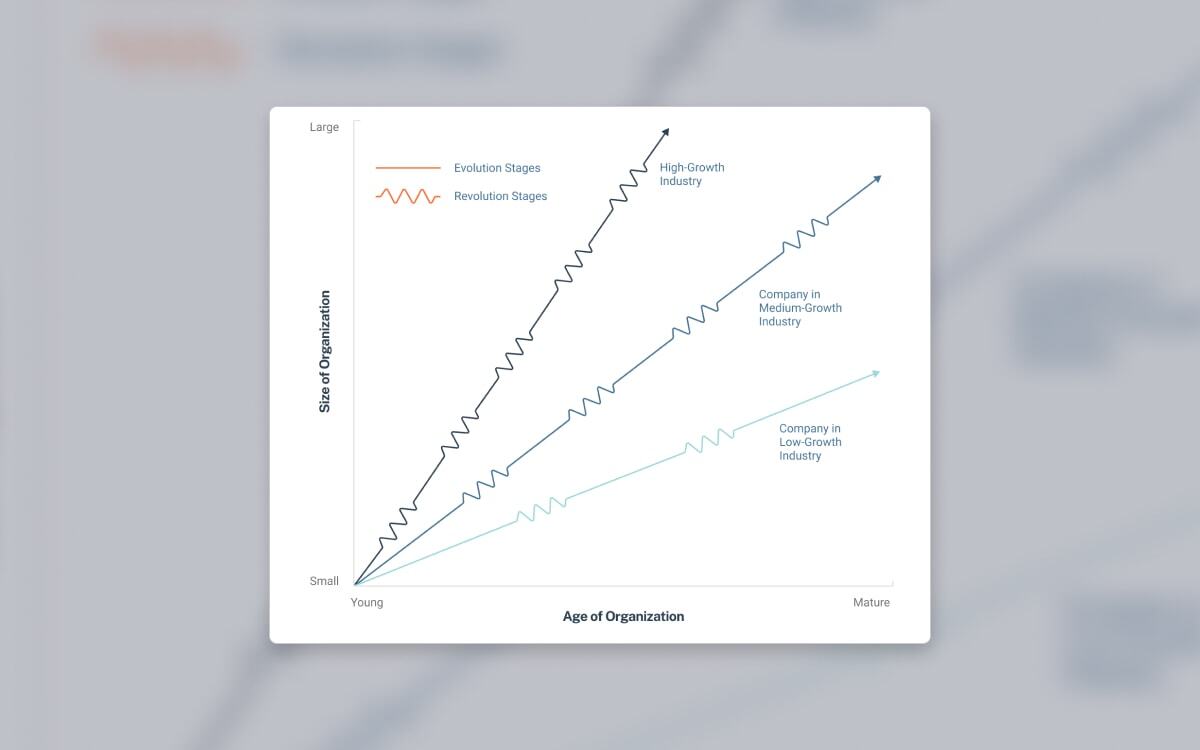 Read the article about Phases of Growth and Crisis in the Life of Nonprofits
Phases of Growth and Crisis in the Life of Nonprofits
Every nonprofit experiences growing pains. Ironically, most of them are caused by the same decisions that made growth possible. This article breaks down the five phases of nonprofit growth, the crisis that ends each one, and how to figure out which phase ...
-
 Watch the webinar about How to Secure a Capacity Grant to Pay for Your Nonprofit's Digital Transformation
How to Secure a Capacity Grant to Pay for Your Nonprofit's Digital Transformation
Most funders will gladly pay for your next program. The technology that lets you scale it? That's a tougher ask. This session breaks down what a capacity grant is, who's likely to fund one, and how to build a funder pitch that gets results.
-
 Watch the webinar about How to Use Corporate Partnerships to Grow Your Nonprofit's Brand Awareness
How to Use Corporate Partnerships to Grow Your Nonprofit's Brand Awareness
Corporate marketing budgets dwarf philanthropic giving, but most nonprofits never tap into them. In this session, you'll learn how to find the right corporate partner, pitch them, and launch a co-branded campaign to get your nonprofit in front of more ...
-
 Watch the webinar about How to Quickly Define an Actionable Nonprofit Strategic Plan for Real Growth
How to Quickly Define an Actionable Nonprofit Strategic Plan for Real Growth
One of our clients spent more than two years creating a strategic plan that no one actually followed. In this session, we'll show you how to build an actionable strategic plan in three weeks, using the same framework that helped grow Team Rubicon's ...