Building a Well-Run Coffee Shop: Using HubSpot Content Hub to Improve the Nonprofit Website
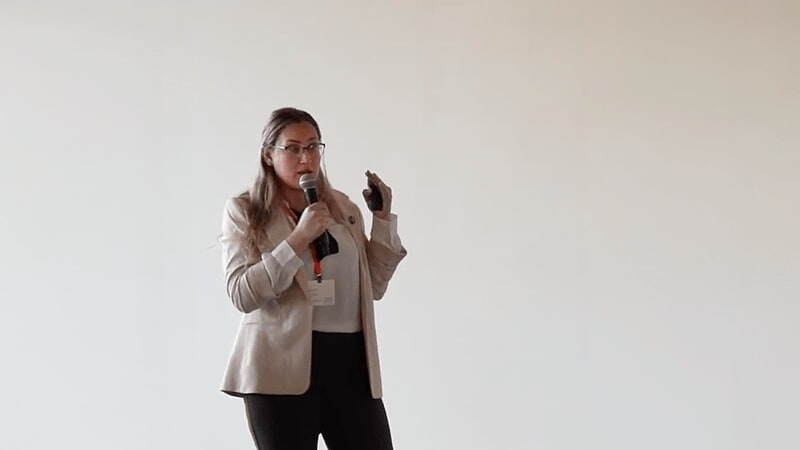
Conference presentation by Franny Lown, Giving & Engagement Manager at Blanchet House & Farm
A nonprofit website is one of the most important tools an organization has for getting in front of prospective donors, supporters, subscribers, and everyone in between. But a website can also create friction if it isn't easy to navigate or doesn't quickly communicate what an organization does. Franny uses a coffee shop as an analogy: if you walk into a coffee shop and the line is overwhelming, the menu is difficult to find, and the service is slow, you may decide to leave—even if you really wanted coffee. The same thing can happen when someone visits a nonprofit website. The goal is to create an experience that feels easy, warm, welcoming, and intuitive, whether someone is a returning donor or has never heard of the organization before.
Key Elements: Donor-Centric Website Design
When nonprofits come to CauseMic to talk about their websites, Franny often sees organizations that are five to seven years behind the for-profit space. Meanwhile, donors are interacting every day with companies such as Amazon and Apple, where seamless digital experiences are the norm. That means nonprofit websites need to meet the same basic expectations around usability. The first thing she wants to see on every nonprofit website is a good user experience: visitors should understand what they're being asked to do, the primary call to action should be clear, and the content should make sense to someone who isn't already familiar with the organization's terminology or work.
The second key element is compelling storytelling. A homepage statement such as "we save lives" may sound inspiring internally, but it doesn't necessarily tell a new visitor what the organization actually does or why they should get involved. Franny points to the Armed Services Arts Partnership as an example. The organization provides healing to veterans through the arts, including stand-up comedy, writing, and performance. That is immediately understandable and gives an unfamiliar visitor a reason to keep exploring. When designing the experience, organizations should think especially carefully about the first-time visitor. If the website makes the experience seamless for someone who has never interacted with the organization before, it generally becomes better for everyone.
A donor-centric website also needs to make it easy to become a donor. That means paying particular attention to the donation experience and reducing friction in the checkout process. Franny uses Fundraise Up's goal of completing a donation in a minute or less as an example of the kind of experience nonprofits should strive for. Just as a coffee shop makes it easy to order and pay, a nonprofit should make it as simple as possible for someone to complete a gift once they've decided to give.
The HubSpot Ecosystem
Content Hub can function as the website component of the broader HubSpot ecosystem, and Franny emphasizes that it becomes more powerful when combined with the other tools in the platform. Even when a website isn't built on HubSpot, organizations can use HubSpot's tracking code, but a Content Hub website can take greater advantage of the contact information and behavioral data already associated with supporters.
That data can be used to make website pages and stories more relevant to individual users. Content Hub can integrate with CRM data, email marketing, and social media, while content strategy and search engine optimization can help organizations build the pages and topics that attract people to the site in the first place. The larger opportunity is connecting those pieces so that the website isn't simply a collection of static pages, but part of a broader supporter experience.
Content Hub: Function and Form
Franny isn't focused on the basic selling points of Content Hub, such as its drag-and-drop interface, ease of use, or ability to let interdisciplinary teams create pages without relying on a developer. Those capabilities are useful, but she wants to focus instead on the features that can help nonprofits personalize content at scale.
The goal is to target different audiences without having to create an individual landing page for every variation. Content Hub can allow an organization to tailor the website experience based on interests, location, language, and other information, saving the team time while making the experience feel more relevant to the supporter. Franny compares this to walking into a coffee shop where the person behind the counter asks if you want "the usual." The experience feels seamless because they already know something about you.
Interest Targeting: Make the Website Feel Relevant
Interest targeting allows organizations to surface content based on what they know about a supporter. Franny uses the Surfrider Foundation as an example. With 80 chapters nationwide and a mission that encompasses several environmental issues, the organization may have supporters who are particularly interested in plastic pollution, climate change, or other aspects of its work. Instead of manually creating a different website experience for every interest, an organization can use smart content to feature relevant material based on information it already has about the user.
The same concept can apply to project updates. If an organization knows that someone has interacted with certain pages, attended an event, or belongs to a particular audience, it can use that information to surface content that is more likely to interest them. When combined with Fundraise Up, this personalization can extend to donation asks and forms. For example, a prospective donor who has never given might see a straightforward one-time donation ask, while a returning donor could be encouraged to become a monthly donor. The goal isn't to make the personalization feel overwhelming; it is to make the experience feel naturally relevant.
Location Targeting: Give People the Right Experience for Where They Are
Location is another useful way to personalize a website. Franny uses a simple coffee-shop example: recommending an iced coffee in the middle of a Portland winter may not make much sense. Likewise, nonprofit website content can be adjusted based on where someone is located.
A nonprofit might prioritize a donation ask connected to work happening in a visitor's region, whether that's a state, county, or country. Location targeting can also support less exciting but important elements such as compliance requirements, allowing the website footer or other information to change automatically based on where the visitor is located. Payment currency can also be adapted, and organizations creating a microsite or website for another country can customize those elements as part of the regional experience.
Internationalization: Go Beyond Machine Translation
For organizations working across multiple markets, language is another important part of the website experience. Franny points out that language can vary even between countries that technically speak the same language. Words such as "pants" and "trousers," for example, can mean different things depending on the audience.
HubSpot allows organizations to create separate versions of website pages in different languages rather than simply relying on automatic machine translation. That gives organizations greater control over the content and allows teams to review what will actually be presented to visitors. Content can be customized down to individual modules and calls to action, allowing an organization to create a more appropriate experience for different markets while maintaining a consistent underlying structure.
Managing Website Teams and Permissions
Once an organization begins creating personalized content and multiple versions of pages, an obvious question is how the team is going to manage all of it. Franny jokes about the classic scenario where an intern makes a small website update and accidentally breaks something much larger. HubSpot's permissions can help prevent that by allowing organizations to determine who can edit, review, and publish content.
Those permissions can be structured around roles, teams, or custom groups. A marketing team, for example, can have a defined set of permissions, while development or other specialized teams can have different access. This allows organizations to create a workflow that fits their own internal structure and gives people the access they need without giving everyone the ability to change everything. For nonprofits, where internal processes can vary significantly from organization to organization, that flexibility can help make website management more predictable and reduce the risk of unwanted changes.
Key Takeaways
Franny closes with three core principles for nonprofit websites:
- Make the user experience easy. Design the website around the needs of the prospective donor or supporter, particularly someone visiting for the first time.
- Make donating as easy as possible. Reduce friction between the moment someone decides to give and the completion of their donation.
- Personalize at scale. Use HubSpot's personalization tools to make supporters feel seen and make the conversion experience feel seamless.
The goal is not personalization for its own sake. It's about using the information an organization already has to make the website more relevant and easier to navigate, while giving internal teams the tools and permissions they need to manage the experience effectively.
Audience Q&A
How does HubSpot handle multilingual websites and localization?
HubSpot supports multilingual versions of website pages, allowing organizations to create separate versions based on the user's language. Those language versions can then be combined with smart content and location targeting. For example, an organization could provide Spanish content for both U.S. and Mexican audiences and then use a visitor's location to determine which regional content should appear. This creates more flexibility than simply translating an entire page and treating every Spanish-speaking visitor the same.
Does HubSpot provide the translations?
The organization is responsible for sourcing its translations, which Franny and Evelyn describe as an advantage rather than necessarily a limitation. Some platforms rely entirely on machine translation, leaving organizations with little control over the quality or nuance of the resulting content. HubSpot allows organizations to maintain control over their translated content while using the platform to manage the different language versions and experiences.
Can smart content be used to personalize website content beyond language?
Yes. Smart content can be configured based on factors such as list membership, location, and preferred language. For example, an organization could use a person's list membership to determine which newsletter subscription opportunities appear on the website. A supporter who is already subscribed to certain newsletters could be shown an invitation to subscribe to another one without requiring the organization to manually create a different page or experience for that individual.
Can organizations customize social media content for different versions of a website?
The website itself is highly customizable. If an organization displays a social media feed on one version of its site, it can change which accounts or content are displayed on another version. Organizations aren't limited to simply swapping one Instagram feed for another; they can replace that content with something entirely different, depending on what makes sense for that audience.
Can CauseMic help organizations develop their unique value proposition?
That isn't necessarily a service provided directly through the CMS, but CauseMic does conduct workshops focused on helping organizations develop their unique value proposition.
Closing
A nonprofit website should work like a well-run coffee shop: people should understand where to go, know what they're being offered, and be able to complete what they came to do without unnecessary friction. HubSpot Content Hub gives organizations additional tools to take that experience further by personalizing content based on interests, location, language, and supporter behavior. For Franny, the underlying principle is straightforward: make the experience easy, make donating easy, and use personalization at scale to make supporters feel seen.
This transcript has been lightly edited using AI for clarity and readability, with timestamps, filler language, audience participation, repeated phrases, and transcript artifacts removed.

 Watch now about Making Moments Matter: How Nonprofits can Harness the Power of Earned Media
 Read more about The Nonprofit CRM Guide
 Read more about Making the Move: Migrating from Raiser’s Edge
 Watch the webinar about Anatomy of a Highly Effective Year-End Fundraising Plan
 Watch the webinar about How to Inspire Major Gifts with Great Storytelling
 Watch now about From Tech Spaghetti to Scalable Growth: Transforming Nonprofit Marketing with HubSpot