Your strategic plan should be a filter. If something moves the organization toward its stated objectives, prioritize it. If it doesn’t, deprioritize it or stop doing it (unless, of course, it’s a legal requirement). For this to work, your plan needs to be current, specific, measurable, and limited to no more than three or four primary objectives.
Only 40% of nonprofits update their strategic plan before building their annual budget, which means most are running two completely disconnected processes instead of one. Brian August walks through how to use your strategic plan as a filter for prioritizing resources, why budgeting and forecasting aren't the same thing, and how to build a recurring review process that keeps your organization from getting blindsided.
Meet the Speaker
-

Brian August
Executive Director, Tower Theatre Foundation
Prior to joining CauseMic, Brian served as Oregon Humane Society’s Chief Operating Officer, where he led the organization through a period of significant growth, including a new 5-year strategic plan and a $40 million campus expansion. Brian is now Executive Director at the Tower Theatre Foundation, located in Bend, Oregon.
Chapters
Transcript
Budgeting for Nonprofit Growth
Webinar transcript, presented by Brian August, Executive Director and the Tower Theatre Foundation
This session covers the role of strategy and prioritization in the budgeting process, when and how to review your budget throughout the year, and the critical skills that separate successful budgeting processes from unsuccessful ones.
The Role of Strategy and Prioritization in Budgeting
A live poll during the session found that roughly 60% of attendees don't update their strategic plan before beginning their annual budgeting process, while about 40% do, a split consistent with what CauseMic sees more broadly across clients.
Your strategic plan should be the key filter for your annual operating budget.
Clear strategic objectives let a team match its budget directly to the goals it's trying to achieve. When a strategic plan is vague or ambiguous, matching resources to objectives becomes far harder, and organizations tend to default to distributing budget roughly equally across every program and initiative rather than concentrating resources where they matter most. As part of the budgeting process, programs, initiatives, and projects should be evaluated on whether they're moving the organization toward its strategic objectives, moving it away from them, or having no real impact at all. Anything genuinely advancing those objectives should be prioritized for resources; anything that isn't should be deprioritized, critically reevaluated, or stopped altogether, unless it's a legal requirement.
For a strategic plan to work as an effective prioritization tool, it needs a few specific qualities:
- It has to be current. A five- or ten-year strategic plan that hasn't been revisited in years won't reflect external shocks or changed assumptions, and won't hold up as a filter for next year's budget.
- It has to be specific. Vague objectives produce vague budgeting, which usually results in resources spread evenly across everything rather than concentrated on the two to five things genuinely critical to the organization's success over the next 12 months.
- Progress toward it has to be measurable. Even objectives that span multiple years should have clear intermediate milestones. Without a clear way to measure progress, it's difficult to evaluate what impact a given program or initiative is actually expected to have.
- It should be limited to three to four primary strategic objectives. Organizations that try to prioritize more than three to five objectives at once tend to struggle to accomplish any of them, since resources and focus become too divided, and teams are left uncertain which objective actually takes precedence when they compete for the same resources.
Saying no is often the hardest part of this in practice, especially at nonprofits, where nearly every program or idea reflects real, thoughtful impact on the community. But a program that doesn't move the organization toward its stated strategic objectives is still diverting resources from the ones that do. The most successful organizations tend to be genuinely ruthless about this evaluation. As a quote often attributed to Steve Jobs puts it, deciding what not to do is just as important as deciding what to do.
Strategy and budgeting shouldn't be treated as a single tactical exercise once a year; they work best as an ongoing, living part of how an organization operates, continually revisited to stay aligned on priorities and progress.
When and How to Review Your Budget Throughout the Year
A second poll found that about half of attendees review their budget and forecast more than twice a year, roughly 36% review it once a year (typically during the annual budgeting process itself), and another 14 to 15% review it twice a year.
It helps to draw a clear distinction between budgeting and forecasting. Budgeting is a fixed, point-in-time activity: you set a plan for the year and measure results against it regardless of what changes. Forecasting is ongoing, looking both backward at what actually happened and forward at whether assumptions still hold and whether resources need to be redeployed.
This distinction matters because most organizations start their budgeting process two to four months before the start of their fiscal year, and the more complex or decentralized the organization, the earlier that process tends to start to accommodate input from every group involved. That means by the end of the first quarter, six months or more may have passed since the assumptions behind the budget were made. A great deal can change in that window. September 11, 2001 reshaped assumptions for nearly every organization literally overnight. The 2007 to 2008 financial crisis (including the collapse of major institutions like Lehman Brothers) upended donation assumptions across the sector. The 2018 to 2019 government shutdown had ripple effects reaching well beyond direct government funding, touching interest rates, contracts, and key government relationships. And 2020's disruption from COVID-19 required not just financial adjustment but a full operational rethink for many organizations, from service delivery models to staff and client safety.
Elements of a living financial process:
- Create an annual financial planning calendar in advance, so everyone involved knows the relevant dates, activities, and expectations ahead of time.
- Separate performance review from future strategic planning and budgeting. Reporting on how the organization performed is important on its own, distinct from the decisions that performance should inform going forward.
- Communicate consistently with key stakeholders, including staff, about how the organization is doing, why, and how individual contributions connect to that performance. This is what keeps budgeting from feeling like a purely tactical exercise and makes it a genuine measure of progress toward organizational objectives.
A simple, recurring quarterly cycle works well for many organizations: review the quarter's actual results, look ahead and adjust the plan and forecast as needed, communicate updates to staff, and report to the board, since the board is ultimately accountable for organizational performance. That same quarterly rhythm is also the natural point to revisit the strategic plan itself and let any updates flow directly into budgeting decisions.
Critical Skills for Successful Budgeting
A third poll asked attendees to rate their team's ability to create a budget aligned with organizational priorities on a 1 to 5 scale. About 59% rated their team a 4 or 5, while the remaining 40% or so rated their team as adequate or in need of real improvement.
Technical skills matter most for whoever is leading the budgeting process: genuine financial acumen, an understanding of budget implications, the ability to build a balanced budget, spreadsheet competency (regardless of whether you're ultimately using a spreadsheet, a budgeting program, or an ERP system), and comfort with forecasting. Leaders can delegate for capacity (getting help executing scenario planning, for example) but they can't delegate for capability. If a budgeting leader lacks financial acumen, they need to build it or step back from that role.
Soft skills are just as essential: communication, collaboration, empathy, negotiation, critical thinking, resilience, endurance, time management, and emotional intelligence. Budgeting is genuinely difficult, since it requires real prioritization and resource decisions on top of everyone's existing workload, and it inherently involves negotiation, since different people often have different views on how best to achieve the same strategic objectives.
Team skills ultimately matter most. Budgeting is a team sport, and teams with high trust and low need for control tend to do it well, because they can engage in genuinely productive conflict without it threatening the relationship. The negotiation involved in budgeting isn't about compromise, keeping everyone happy, or evenly dividing resources; it's about prioritizing resources and finding the best solutions to already agreed-upon priorities. That requires everyone, especially executive team members, to set aside their instinct to represent their own department's interests and instead ask what's genuinely best for the organization as a whole, even when that means resources move away from a team they've built and care about.
Recapping the three critical elements: use your strategic plan as the filter for a prioritized budget, build a recurring process for reviewing and communicating that budget and forecast throughout the year, and invest in developing the individual and team skills that produce more focused, impactful, and accurate budgets.
Frequently Asked Questions
How much of your budget should you dedicate to the strategic planning process itself?
There's no universal number, since the process can range from internal staff time to bringing in an outside facilitator. What matters more than the specific dollar amount is not underinvesting in it. Most organizations tend to under-invest in strategic planning without realizing how much it affects the rest of the year's effectiveness and resource efficiency. Bringing in an outside facilitator is worth serious consideration, since it frees the executive team to fully engage in the discussion itself rather than managing logistics.
Is there an ideal number of people to include in the strategic planning process?
Keep the initial planning group relatively small, generally an executive team plus a few other key people, since a smaller group makes it easier to build the trust required for genuinely productive conflict. From there, build a structured process to solicit input and feedback from people who weren't part of that initial group, whether due to team size, role, or logistics. Wanting broad involvement usually comes from a good place, but a large group at the table from the start tends to slow the process down rather than strengthen it.
Are there simple resources for organizations still figuring out what strategic planning should look like?
Rather than pointing to a single external resource, the strongest guidance is to avoid a strategic plan that turns into a 30- to 50-page document, since that kind of plan tends to take significant time and money to produce and then goes largely unused. Aim instead for something simple and shareable, like CauseMic's own one-page strategic plan format, narrowed to a 12-month horizon with clear, specific objectives that can be shared easily with internal or external stakeholders, board members, or funders.
Closing
A strategic plan is the filter that makes budgeting a genuinely prioritized process rather than an equal division of resources. Building a recurring process to review and communicate budget and forecast throughout the year keeps the organization aligned and the board informed, and investing in the individual and team skills behind that process is what ultimately turns budgeting into a real driver of organizational growth.
This transcript has been lightly edited using AI for clarity and readability, with filler language, live poll mechanics, and scheduling logistics removed.
-
 Watch now about How to Run a Retrospective
How to Run a Retrospective
A simple way to improve how your team runs campaigns? The retrospectives. Matt Scott, cofounder and CEO of CauseMic, walks through the six-step process that gives your team the tools they need to figure out what worked, what didn’t, and what to do ...
-
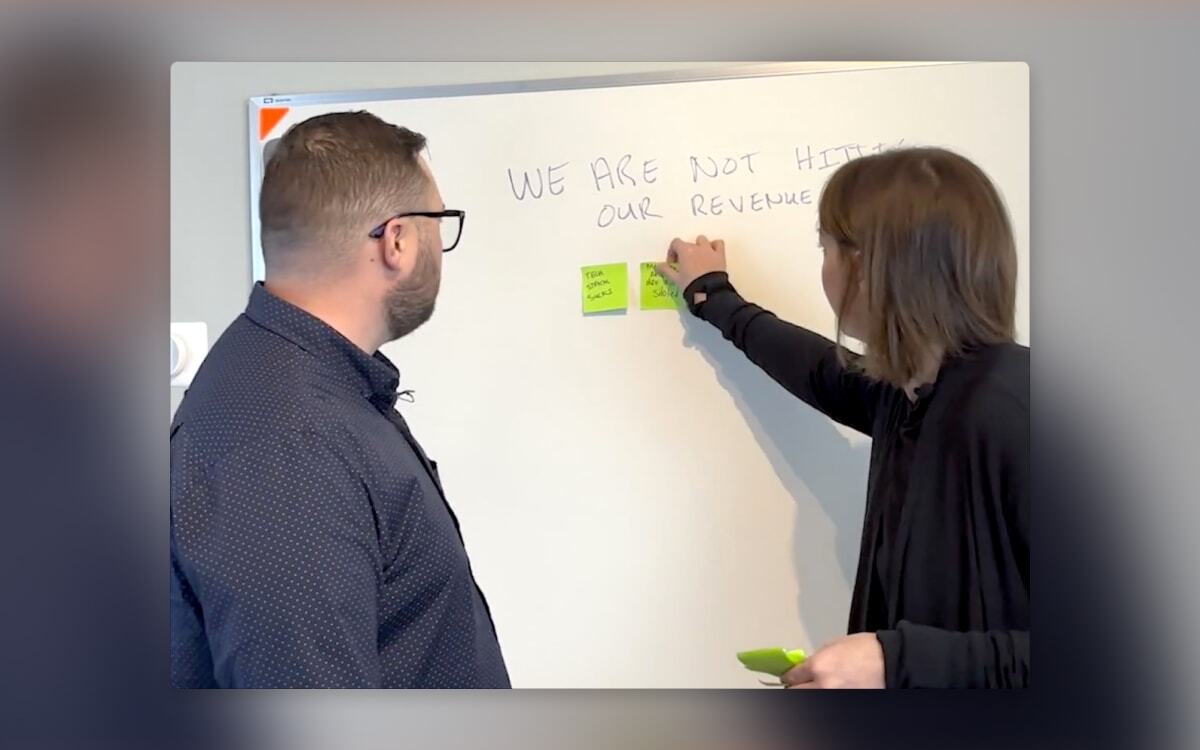 Watch now about How to Use CauseMic’s Problem-Solving Framework
How to Use CauseMic’s Problem-Solving Framework
Trade run-of-the-mill brainstorming meetings for a process that gets you more ideas, clearer decisions, and actionable next steps. Matt Scott and Bobbi Snethen walk through CauseMic’s framework for turning any team problem into a clear, prioritized ...
-
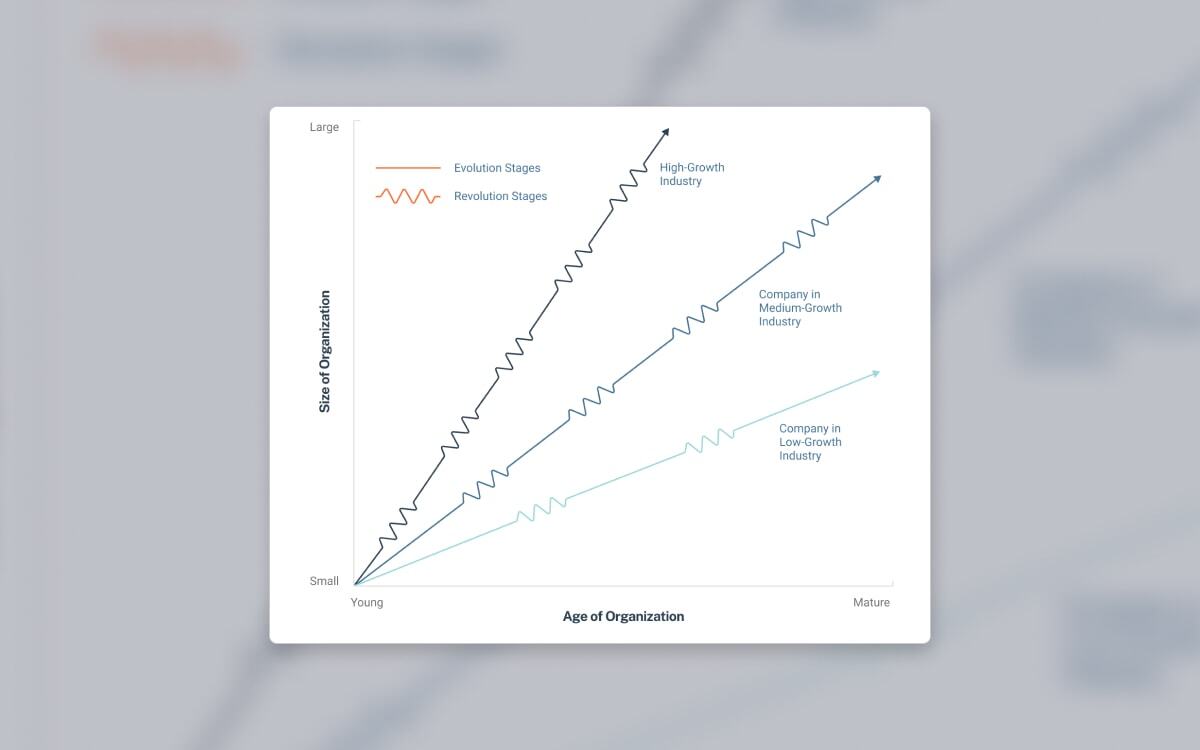 Read the article about Phases of Growth and Crisis in the Life of Nonprofits
Phases of Growth and Crisis in the Life of Nonprofits
Every nonprofit experiences growing pains. Ironically, most of them are caused by the same decisions that made growth possible. This article breaks down the five phases of nonprofit growth, the crisis that ends each one, and how to figure out which phase ...
-
 Watch the webinar about Boost Revenue and Efficiency: Harness the Power of Project Management
Boost Revenue and Efficiency: Harness the Power of Project Management
Most projects don't go sideways because people aren't trying hard enough. They go sideways because nobody is quite sure what's happening. This session breaks down what effective project management looks like, CauseMic's planning framework, and the ...
-
 Watch the webinar about How to Quickly Define an Actionable Nonprofit Strategic Plan for Real Growth
How to Quickly Define an Actionable Nonprofit Strategic Plan for Real Growth
One of our clients spent more than two years creating a strategic plan that no one actually followed. In this session, we'll show you how to build an actionable strategic plan in three weeks, using the same framework that helped grow Team Rubicon's ...
-
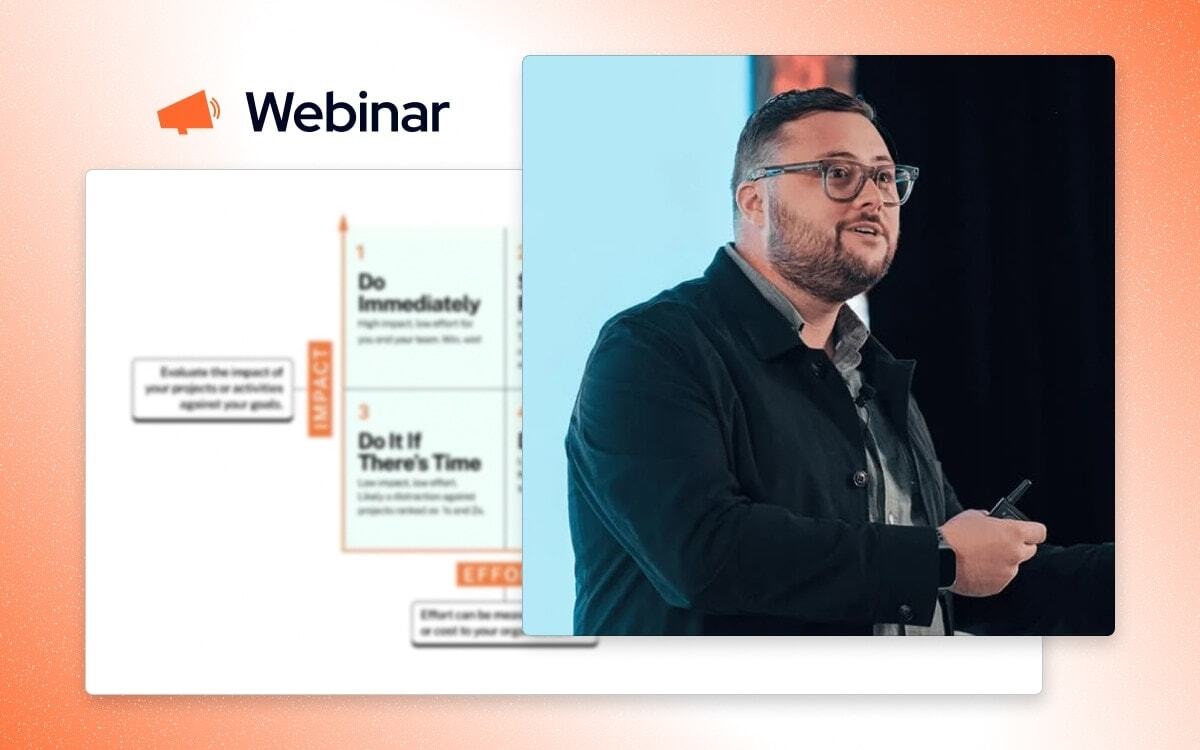 Watch the webinar about 3 Steps to End the Cycle of "More to Do Than Time to Do It"
3 Steps to End the Cycle of "More to Do Than Time to Do It"
One accounting team freed up over 600 hours a month, just by clearly defining who owns what. Six. Hundred. Hours. In this session, you'll learn how to run a lean nonprofit team like a well-managed internal agency. And free up a little time for yourself.